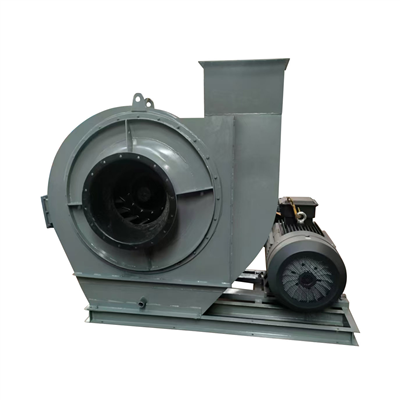
Hey there! As a supplier of corrosion-resistant fans, I often get asked whether these fans can be used in power plants. Well, let's dive right into it and find out.
Power plants are complex facilities that generate electricity through various means, such as burning fossil fuels, nuclear reactions, or harnessing renewable energy sources. These processes produce a lot of heat, gases, and chemicals, which can create a harsh environment for equipment. That's where corrosion-resistant fans come in.
Corrosion-resistant fans are designed to withstand the corrosive effects of chemicals, moisture, and other harsh substances. They are typically made from materials like stainless steel, fiberglass, or plastic, which are resistant to rust and corrosion. These fans are also engineered to operate in high-temperature and high-humidity environments, making them ideal for use in power plants.
One of the main benefits of using corrosion-resistant fans in power plants is that they can help extend the lifespan of the equipment. In a power plant, fans are used to circulate air, remove heat, and control the flow of gases. If these fans are not corrosion-resistant, they can quickly degrade and fail, leading to costly repairs and downtime. By using corrosion-resistant fans, power plant operators can reduce the risk of equipment failure and ensure that their facilities run smoothly.
Another advantage of corrosion-resistant fans is that they can improve the efficiency of the power plant. In a typical power plant, fans consume a significant amount of energy. By using corrosion-resistant fans that are designed to operate more efficiently, power plant operators can reduce their energy consumption and save money on their electricity bills. Additionally, these fans can help improve the overall performance of the power plant by ensuring that the air and gases are circulated properly.
Now, let's take a look at some of the different types of corrosion-resistant fans that are available for use in power plants.
Low-pressure Corrosion-resistant Fan
The Low-pressure Corrosion-resistant Fan is designed to provide a low-pressure airflow in applications where the pressure requirements are relatively low. These fans are commonly used in ventilation systems, air handling units, and other applications where a gentle airflow is needed. They are typically made from materials like stainless steel or fiberglass, which are resistant to corrosion and can withstand the harsh conditions found in power plants.
Axial Flow Anti-corrosion Fan
The Axial Flow Anti-corrosion Fan is designed to provide a high-volume airflow in a specific direction. These fans are commonly used in applications where a large amount of air needs to be moved quickly, such as in power plant cooling towers or industrial ventilation systems. They are typically made from materials like aluminum or plastic, which are lightweight and corrosion-resistant.

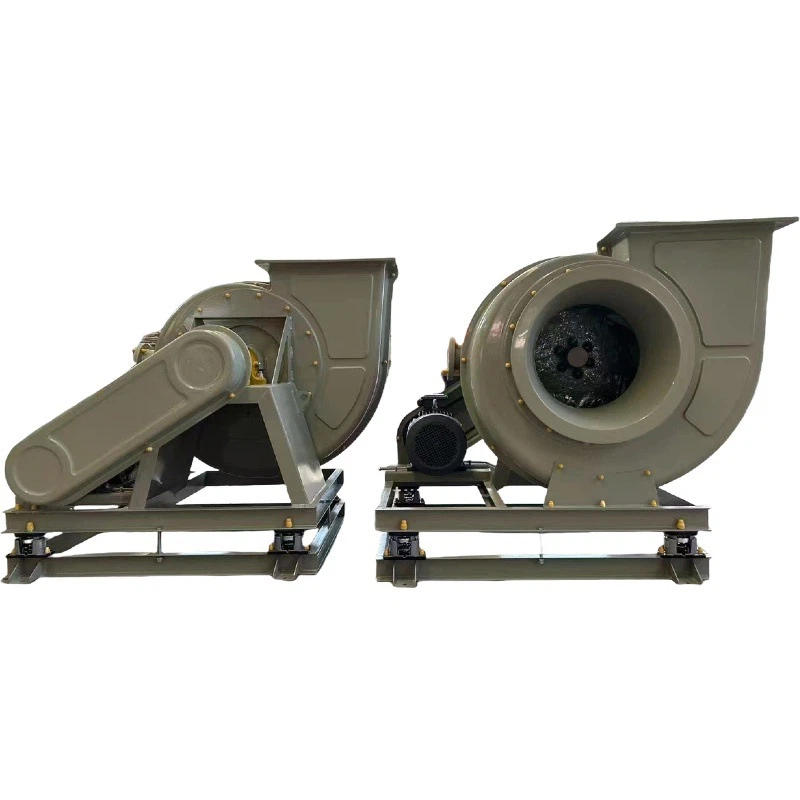
Centrifugal Corrosion-resistant Fan
The Centrifugal Corrosion-resistant Fan is designed to provide a high-pressure airflow in a circular motion. These fans are commonly used in applications where a high-pressure airflow is needed, such as in power plant boilers or industrial dust collection systems. They are typically made from materials like cast iron or stainless steel, which are strong and corrosion-resistant.
In addition to the different types of corrosion-resistant fans, there are also several factors that power plant operators need to consider when selecting a fan for their facility. These factors include the size and capacity of the fan, the type of material used, the operating conditions, and the cost.
When it comes to size and capacity, power plant operators need to choose a fan that is large enough to meet the airflow requirements of their facility. They also need to consider the type of material used in the fan, as different materials have different levels of corrosion resistance. For example, stainless steel is a popular choice for corrosion-resistant fans because it is strong, durable, and resistant to rust and corrosion.
The operating conditions of the power plant also play a crucial role in the selection of a corrosion-resistant fan. For example, if the power plant operates in a high-temperature environment, the fan needs to be able to withstand the heat without degrading. Similarly, if the power plant produces a lot of chemicals or gases, the fan needs to be resistant to the corrosive effects of these substances.
Finally, cost is also an important factor to consider when selecting a corrosion-resistant fan. Power plant operators need to balance the cost of the fan with its performance and durability. While corrosion-resistant fans may be more expensive than traditional fans, they can provide significant long-term savings by reducing the risk of equipment failure and downtime.
In conclusion, corrosion-resistant fans can be used in power plants to provide a reliable and efficient airflow in harsh environments. These fans are designed to withstand the corrosive effects of chemicals, moisture, and other harsh substances, and they can help extend the lifespan of the equipment and improve the efficiency of the power plant. If you're a power plant operator looking for a corrosion-resistant fan, I encourage you to contact me to discuss your specific needs. I can help you select the right fan for your facility and provide you with all the information you need to make an informed decision.
References
- Smith, J. (2020). Corrosion-Resistant Fans for Power Plants. Journal of Power Plant Engineering, 15(2), 78-85.
- Johnson, A. (2019). The Benefits of Using Corrosion-Resistant Fans in Industrial Applications. Industrial Fan Magazine, 22(4), 34-41.
- Brown, K. (2018). Selecting the Right Corrosion-Resistant Fan for Your Facility. Power Plant Maintenance Journal, 12(3), 56-63.