


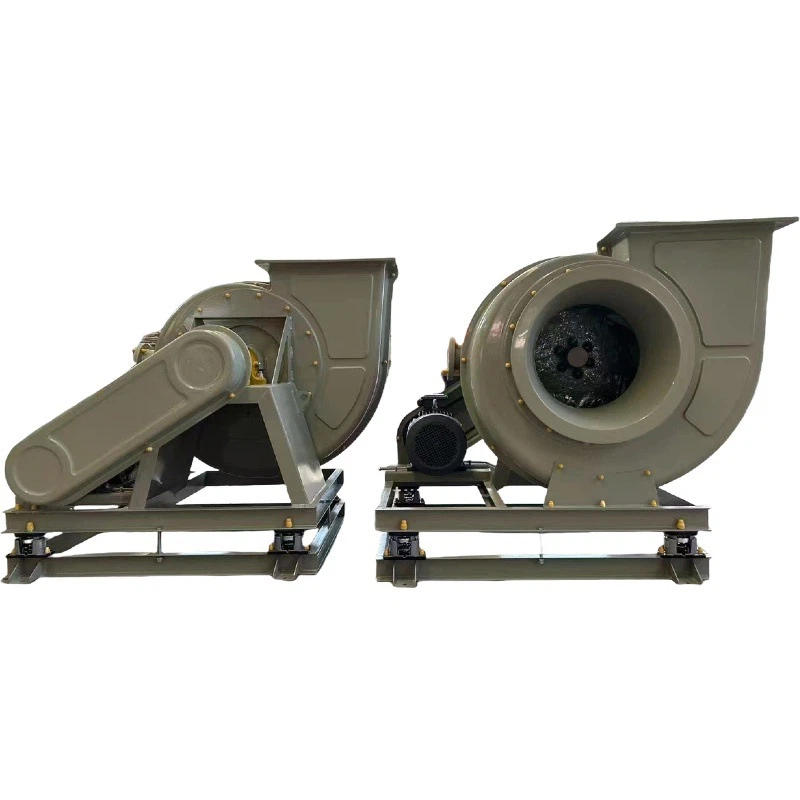
As a supplier of Centrifugal Corrosion-resistant Fans, I understand the importance of ensuring these fans operate smoothly. When a centrifugal corrosion-resistant fan is not working properly, it can disrupt industrial processes and lead to inefficiencies. In this blog, I will share some effective troubleshooting steps to help you identify and resolve issues with your fan.
Initial Checks
Before delving into complex troubleshooting, it's essential to perform some basic checks. First, ensure that the power supply to the fan is stable. Check the electrical connections and circuit breakers to make sure there are no loose wires or tripped breakers. A simple power issue can often be the root cause of a non - functioning fan.
Inspect the fan's physical condition. Look for any visible signs of damage, such as cracks in the housing, bent blades, or loose parts. If the fan has been exposed to harsh environments, corrosion may have affected its components. For instance, if the fan is made of materials like titanium steel, which is known for its corrosion resistance, check for any signs of pitting or rust that could indicate a problem. You can learn more about Titanium Steel Fan on our website.
Airflow and Pressure Issues
One of the most common problems with centrifugal corrosion-resistant fans is insufficient airflow. This can be caused by several factors. First, check the air intake and outlet. Make sure there are no obstructions, such as debris, dust, or foreign objects blocking the path of air. A clogged air intake can significantly reduce the fan's efficiency.
Measure the static pressure and airflow rate. You can use a manometer to measure the static pressure and an anemometer to measure the airflow. Compare the measured values with the fan's specifications. If the airflow is lower than expected, it could be due to a problem with the fan's impeller. A damaged or worn - out impeller may not be able to generate enough force to move the air effectively.
The fan's speed also plays a crucial role in airflow. Check the motor speed. If the motor is running at a lower speed than normal, it could be due to a problem with the motor itself, such as overheating or a malfunctioning controller. Some centrifugal corrosion-resistant fans are designed to operate at specific speeds, and any deviation can affect the airflow. You can find more information about Centrifugal Corrosion-resistant Fan on our website.
Noise and Vibration
Excessive noise and vibration are often signs of underlying problems with the fan. Check the fan's mounting. A loose or improperly installed fan can cause vibration and noise. Make sure the fan is securely fastened to its base or support structure.
Inspect the bearings. Worn - out or damaged bearings can cause excessive noise and vibration. Listen for any grinding or squealing sounds, which may indicate bearing problems. If the bearings are faulty, they should be replaced as soon as possible to prevent further damage to the fan.
The balance of the impeller is also important. An unbalanced impeller can cause vibration and noise. You can use a vibration analyzer to check the impeller's balance. If the impeller is unbalanced, it may need to be re - balanced or replaced.
Motor and Electrical Issues
The motor is the heart of the centrifugal corrosion-resistant fan. Check the motor's electrical connections. Loose or corroded connections can cause the motor to malfunction. Make sure all the wires are properly connected and there are no signs of damage.
Check the motor's temperature. An overheating motor can be a sign of a problem. This could be due to overloading, poor ventilation, or a malfunctioning motor. If the motor is overheating, stop the fan immediately and allow it to cool down. Check the motor's ventilation system to ensure it is working properly.
Inspect the motor's controller. The controller regulates the motor's speed and operation. A malfunctioning controller can cause the fan to operate erratically or not at all. Check for any error codes or warning lights on the controller. If necessary, consult the manufacturer's manual for troubleshooting steps.
Maintenance and Cleaning
Regular maintenance and cleaning are essential for the proper operation of centrifugal corrosion-resistant fans. Clean the fan's housing, impeller, and air intake regularly to remove dust and debris. This will help prevent clogs and improve the fan's efficiency.
Lubricate the bearings according to the manufacturer's recommendations. Proper lubrication will reduce friction and extend the life of the bearings.
Inspect the fan's belts and pulleys. Worn - out belts can cause the fan to operate inefficiently. Replace the belts if they show signs of wear or damage.
Conclusion
Troubleshooting a centrifugal corrosion-resistant fan that is not working properly requires a systematic approach. By performing initial checks, addressing airflow and pressure issues, dealing with noise and vibration, and checking the motor and electrical components, you can identify and resolve most problems. Regular maintenance and cleaning are also crucial to ensure the long - term performance of the fan.
If you are experiencing persistent problems with your centrifugal corrosion-resistant fan or need more information about our products, we invite you to contact us for a procurement discussion. Our team of experts is ready to assist you in finding the best solution for your needs.

References
- Manufacturer's manuals for centrifugal corrosion-resistant fans
- Industry standards and guidelines for fan operation and maintenance


