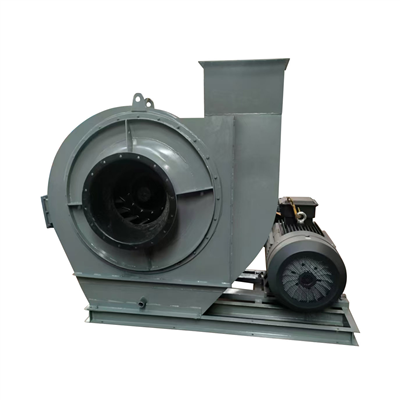
Installing a Mixed - flow Roof Ventilator in a building with limited space can be a challenging yet rewarding task. As a supplier of Mixed-flow Roof Ventilator, I have witnessed firsthand the importance of proper ventilation in various buildings, especially those with restricted areas. In this blog, I will share some practical tips and steps to help you successfully install a mixed - flow roof ventilator in such conditions.
Understanding the Mixed - flow Roof Ventilator
Before diving into the installation process, it's crucial to understand what a mixed - flow roof ventilator is. A mixed - flow roof ventilator combines the features of both axial and centrifugal fans. It has a unique design that allows it to move air in a more efficient way compared to traditional fans. The mixed - flow principle enables the ventilator to generate high pressure and high flow rates simultaneously, making it an ideal choice for buildings that require effective ventilation in a limited space.
Assessing the Space
The first step in installing a mixed - flow roof ventilator in a building with limited space is to conduct a thorough assessment of the area. Measure the available space on the roof where the ventilator will be installed. Consider factors such as the height, width, and length of the space, as well as any obstacles that may be present, such as pipes, ducts, or other equipment.
It's also important to evaluate the structural integrity of the roof. The roof must be able to support the weight of the ventilator and withstand the forces generated during operation. If the roof is not strong enough, additional reinforcement may be required.
Selecting the Right Ventilator
Once you have assessed the space, it's time to select the right mixed - flow roof ventilator for your building. Consider the ventilation requirements of the building, such as the volume of air that needs to be exchanged, the level of humidity, and the presence of any pollutants.
Look for a ventilator that is specifically designed for use in limited spaces. These ventilators are often more compact and have a lower profile, which makes them easier to install and less likely to interfere with other equipment on the roof.
In addition to the size and performance of the ventilator, also consider its energy efficiency. A more energy - efficient ventilator will not only save you money on energy costs but also have a lower environmental impact.
Preparing the Installation Site
Before installing the ventilator, you need to prepare the installation site. Start by cleaning the area on the roof where the ventilator will be placed. Remove any debris, dirt, or loose materials to ensure a smooth and stable surface.
Next, mark the location of the ventilator on the roof according to the manufacturer's instructions. Use a level to ensure that the markings are straight and accurate. Drill holes in the roof at the marked locations for the mounting bolts.
If the roof has a waterproof membrane, take extra care to avoid damaging it during the drilling process. You may need to use a special drill bit or take other precautions to prevent leaks.
Installing the Ventilator
Once the installation site is prepared, it's time to install the mixed - flow roof ventilator. Start by lifting the ventilator onto the roof and aligning it with the pre - drilled holes. Insert the mounting bolts through the holes in the ventilator and into the holes in the roof. Tighten the bolts securely using a wrench.
Connect the electrical wiring to the ventilator according to the manufacturer's instructions. Make sure to use the correct gauge of wire and follow all safety procedures. If you are not experienced in electrical work, it's recommended to hire a professional electrician to do the wiring for you.
After the ventilator is installed and wired, test it to make sure it is working properly. Turn on the power and check for any unusual noises or vibrations. If the ventilator is not working correctly, refer to the manufacturer's troubleshooting guide or contact their customer support for assistance.
Additional Considerations
In some cases, you may need to install additional components to ensure the proper functioning of the mixed - flow roof ventilator. For example, you may need to install a duct system to connect the ventilator to the interior of the building. This will help to direct the airflow and improve the ventilation efficiency.
If the building has a high level of humidity, you may also consider installing a Dehumidifier Roof Fan in addition to the mixed - flow roof ventilator. A dehumidifier roof fan can help to remove moisture from the air, which can prevent the growth of mold and mildew and improve the indoor air quality.
Another option is to install an Axial Flow Roof Fan in combination with the mixed - flow roof ventilator. Axial flow roof fans are often used for general ventilation and can help to increase the overall airflow in the building.
Maintenance and Care
Once the mixed - flow roof ventilator is installed, it's important to perform regular maintenance and care to ensure its long - term performance. Clean the ventilator regularly to remove any dust, dirt, or debris that may accumulate on the blades or in the housing.
Check the mounting bolts and electrical connections periodically to make sure they are tight and secure. Lubricate the bearings and other moving parts as recommended by the manufacturer.
If you notice any signs of wear or damage, such as unusual noises, vibrations, or reduced airflow, it's important to address the issue promptly. Contact the manufacturer or a professional technician for assistance.
Conclusion
Installing a mixed - flow roof ventilator in a building with limited space requires careful planning, proper selection of equipment, and attention to detail. By following the steps outlined in this blog, you can ensure a successful installation and enjoy the benefits of improved ventilation in your building.
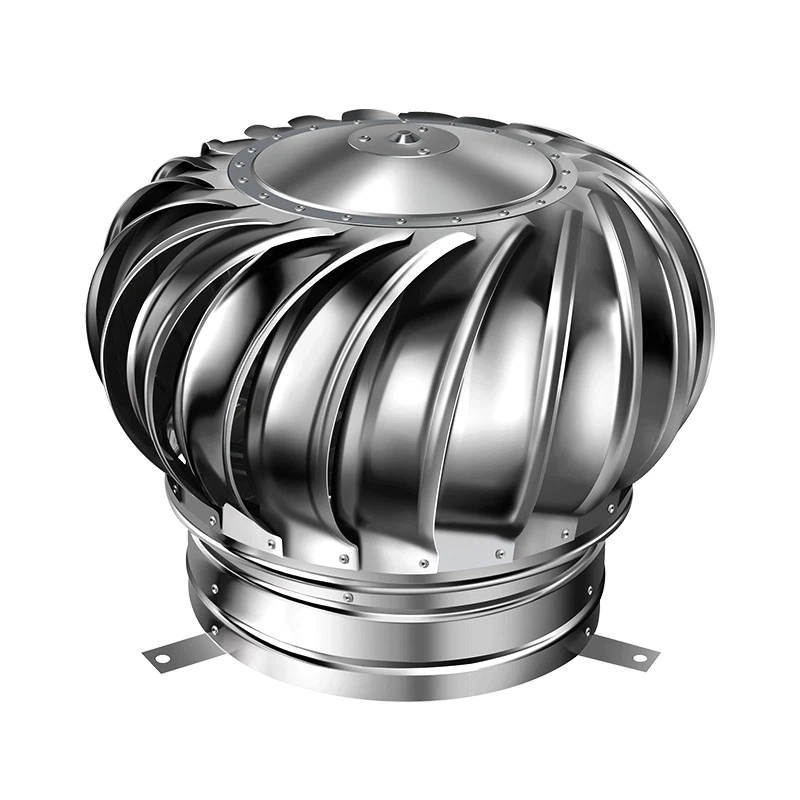

If you are interested in purchasing a mixed - flow roof ventilator or need further assistance with the installation process, please feel free to contact us. Our team of experts is ready to help you find the right solution for your ventilation needs.
References
- Manufacturer's installation and operation manuals for mixed - flow roof ventilators.
- Building codes and regulations related to roof ventilation.
- Industry standards for ventilation systems in buildings.