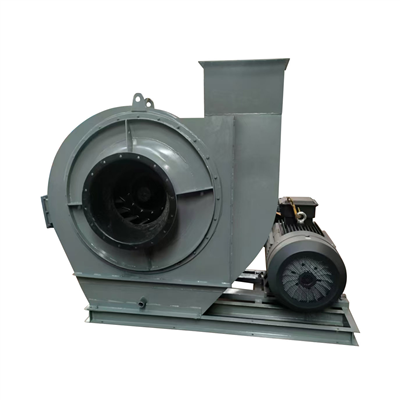
Hey there! As a supplier of FRP fans, I often get asked if these fans can be used in corrosive environments. Well, let's dive right into this topic and find out.
First off, let's understand what FRP stands for. FRP is short for Fiber - Reinforced Plastic. It's a composite material made up of a polymer matrix reinforced with fibers, usually glass fibers. This combination gives FRP some pretty amazing properties that make it a great candidate for use in tough conditions.
Properties of FRP that Make it Suitable for Corrosive Environments
One of the key advantages of FRP is its high corrosion resistance. Unlike metals, which can rust and corrode when exposed to chemicals, moisture, or other corrosive agents, FRP doesn't react in the same way. It can withstand a wide range of acids, alkalis, and salts without deteriorating.
For example, in industries like chemical processing, where there are often harsh chemicals in the air or in the process fluids, FRP fans can be a lifesaver. They won't get eaten away by the corrosive substances, which means they'll last longer and require less maintenance compared to metal fans.
Another great thing about FRP is its lightweight nature. This makes it easier to install and handle, especially in large - scale industrial settings. You don't need heavy - duty equipment to move and install FRP fans, which can save time and money during the installation process.
FRP also has good mechanical properties. It can withstand high temperatures and pressures to a certain extent. In a corrosive environment where there might be heat generated from chemical reactions or industrial processes, FRP fans can still perform well without losing their structural integrity.
Comparing FRP Fans with Other Types of Fans in Corrosive Environments
Let's take a look at how FRP fans stack up against other types of corrosion - resistant fans.
Rubber - lined Fan
A Rubber - lined Fan is another option for corrosive environments. These fans have a layer of rubber lining on the inside to protect the metal parts from corrosion. While rubber - lined fans can be effective, they have some limitations. The rubber lining can wear out over time, especially if it's exposed to abrasive substances or high - temperature chemicals. Also, the installation and maintenance of rubber - lined fans can be more complicated compared to FRP fans.
Titanium Steel Fan
Titanium Steel Fan is known for its excellent corrosion resistance. Titanium steel is a very strong and durable material. However, it comes with a high price tag. Titanium is an expensive metal, and the manufacturing process of titanium steel fans is also more complex. In contrast, FRP fans are more cost - effective while still providing good corrosion resistance.
Applications of FRP Fans in Corrosive Environments
FRP fans are used in a variety of industries where corrosive environments are common.
Chemical Industry
In chemical plants, there are all sorts of corrosive chemicals being produced, stored, and transported. FRP fans are used to ventilate the areas where these chemicals are present. They can remove the fumes and maintain a safe working environment. For example, in a sulfuric acid production plant, FRP fans can handle the corrosive sulfuric acid fumes without getting damaged.
Wastewater Treatment Plants
Wastewater contains a lot of corrosive substances such as acids, alkalis, and salts. FRP fans are used to ventilate the treatment tanks and other areas in the plant. They help to remove the foul odors and prevent the build - up of harmful gases.
Electroplating Industry
Electroplating involves the use of various chemicals to coat metal objects. The fumes from these chemicals are highly corrosive. FRP fans are used to exhaust these fumes from the electroplating chambers, protecting the workers and the equipment in the facility.
Factors to Consider When Using FRP Fans in Corrosive Environments
While FRP fans are generally suitable for corrosive environments, there are some factors that you need to consider.
Chemical Compatibility
Not all FRP materials are compatible with all chemicals. You need to make sure that the FRP used in the fan is compatible with the specific corrosive substances in your environment. For example, some FRP resins may not be resistant to certain strong acids. You should consult with the fan manufacturer to choose the right type of FRP for your application.
Temperature and Pressure
Although FRP can withstand a certain range of temperatures and pressures, extreme conditions can affect its performance. In very high - temperature or high - pressure environments, you may need to choose a special type of FRP or take additional measures to protect the fan.


Abrasion
If there are abrasive particles in the corrosive environment, they can wear down the FRP surface over time. You may need to consider adding a protective coating to the fan to increase its abrasion resistance.
Maintenance of FRP Fans in Corrosive Environments
Proper maintenance is crucial to ensure the long - term performance of FRP fans in corrosive environments.
Regular inspections are necessary to check for any signs of damage or wear. Look for cracks, delamination, or any other visible defects. If you notice any problems, you should address them immediately to prevent further damage.
Cleaning the fans regularly is also important. You can use a mild detergent and water to clean the FRP surface. Avoid using harsh chemicals that may damage the FRP.
In addition, you should lubricate the moving parts of the fan as recommended by the manufacturer. This will help to ensure smooth operation and reduce wear and tear.
Conclusion
So, can FRP fans be used in corrosive environments? The answer is a resounding yes! FRP fans offer a great combination of corrosion resistance, lightweight, and cost - effectiveness. They are suitable for a wide range of industries where corrosive substances are present.
However, it's important to choose the right type of FRP, consider the environmental factors, and perform proper maintenance. If you're in need of a corrosion - resistant fan for your facility, I highly recommend checking out our FRP Fan options.
If you have any questions or are interested in purchasing FRP fans, feel free to reach out. We're here to help you find the best solution for your specific needs.
References
- "Fiber - Reinforced Plastics: Materials, Manufacturing, and Design" by P. K. Mallick
- "Corrosion Resistance of Composite Materials" by various authors in the Journal of Composite Materials