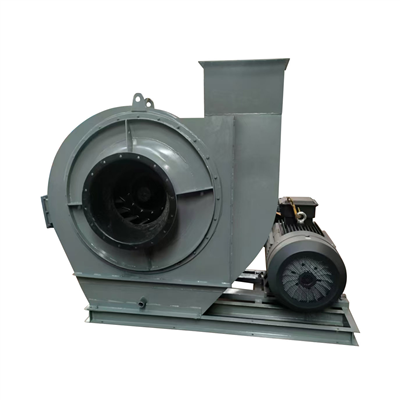
Hey there! As a supplier of Mixed-flow Roof Ventilators, I often get asked about the air distribution pattern of these nifty devices. So, let's dive right in and explore what makes the air distribution of a Mixed-flow Roof Ventilator unique.
Understanding the Basics of Mixed-flow Roof Ventilators
First off, what exactly is a Mixed-flow Roof Ventilator? Well, it's a type of ventilation system that combines the features of both axial and centrifugal fans. Axial fans move air parallel to the axis of the fan, while centrifugal fans move air perpendicular to the axis. A Mixed-flow Roof Ventilator takes the best of both worlds, offering a balance between high airflow and high pressure.
This combination is super useful in a variety of settings. Whether it's a large industrial warehouse, a commercial building, or even a residential attic, Mixed-flow Roof Ventilators can effectively remove stale air, moisture, and pollutants, and bring in fresh air.
The Air Distribution Pattern
The air distribution pattern of a Mixed-flow Roof Ventilator is quite interesting. When the fan is operating, it draws air in from the sides and then expels it upwards at an angle. This creates a unique airflow pattern that is different from traditional axial or centrifugal fans.
The upward and angled airflow of a Mixed-flow Roof Ventilator helps to disperse the air over a wider area. Instead of just pushing the air straight up like an axial fan or in a radial pattern like a centrifugal fan, the mixed-flow design allows for a more even distribution of air. This means that the air can reach more corners of the space being ventilated, providing better overall ventilation.
In an industrial setting, for example, this even air distribution can be crucial. It helps to ensure that all areas of the warehouse or factory receive proper ventilation, reducing the risk of hotspots, humidity buildup, and poor air quality. In a commercial building, it can create a more comfortable environment for employees and customers alike.
Factors Affecting the Air Distribution Pattern
Several factors can influence the air distribution pattern of a Mixed-flow Roof Ventilator. One of the most important factors is the design of the fan itself. The shape and size of the blades, as well as the angle at which they are set, can have a significant impact on how the air is distributed.
Another factor is the speed of the fan. Higher fan speeds generally result in a more powerful airflow, which can affect the reach and spread of the air. However, it's important to find the right balance, as too high a speed can also create excessive noise and energy consumption.
The layout of the space being ventilated also plays a role. Obstructions such as walls, partitions, and equipment can disrupt the airflow and affect the air distribution pattern. It's important to consider these factors when installing a Mixed-flow Roof Ventilator to ensure optimal performance.
Comparing with Other Types of Roof Ventilators
To better understand the air distribution pattern of a Mixed-flow Roof Ventilator, let's compare it with other types of roof ventilators.


- Axial Roof Ventilators: These fans are known for their high airflow rates but lower pressure capabilities. The air is moved in a straight line parallel to the axis of the fan. While they can move a large volume of air quickly, the air distribution is often more concentrated in a single direction, which may not be ideal for some applications.
- Centrifugal Roof Ventilators: Centrifugal fans are great for generating high pressure, but they typically have a more radial airflow pattern. The air is pushed outwards from the center of the fan, which can result in a more localized air distribution. You can learn more about Centrifugal Roof Ventilator on our website.
- Dehumidifier Roof Fans: These fans are specifically designed to remove moisture from the air. They often have a different air distribution pattern compared to Mixed-flow Roof Ventilators, focusing more on extracting moisture from specific areas. Check out our Dehumidifier Roof Fan for more details.
- Modular Roof Ventilators: Modular designs offer flexibility in terms of installation and performance. They can be customized to meet the specific needs of different spaces. If you're interested in a modular solution, take a look at our Modular Roof Ventilator.
Benefits of the Mixed-flow Air Distribution Pattern
The unique air distribution pattern of a Mixed-flow Roof Ventilator offers several benefits.
- Improved Air Quality: The even distribution of air helps to remove pollutants, odors, and moisture more effectively, resulting in better overall air quality.
- Energy Efficiency: By providing more uniform ventilation, Mixed-flow Roof Ventilators can reduce the need for additional ventilation systems, saving energy and costs.
- Comfort: In commercial and residential settings, the balanced air distribution creates a more comfortable environment, reducing hot and cold spots.
- Versatility: The mixed-flow design makes these ventilators suitable for a wide range of applications, from small spaces to large industrial facilities.
How to Optimize the Air Distribution
To get the most out of your Mixed-flow Roof Ventilator, there are a few things you can do to optimize the air distribution.
- Proper Installation: Make sure the ventilator is installed correctly, following the manufacturer's instructions. This includes ensuring the correct positioning and angle of the fan.
- Regular Maintenance: Keep the fan clean and in good working condition. Regularly check the blades, motor, and other components for any signs of wear or damage.
- Adjusting the Fan Speed: Depending on the specific needs of your space, you may need to adjust the fan speed to achieve the optimal air distribution. This can be done using the fan's controls or a variable speed drive.
Conclusion
In conclusion, the air distribution pattern of a Mixed-flow Roof Ventilator is a key factor in its performance. The unique combination of axial and centrifugal features allows for a more even and efficient distribution of air, making it a great choice for a variety of applications.
If you're in the market for a Mixed-flow Roof Ventilator or any other type of ventilation system, we're here to help. Our team of experts can provide you with the information and support you need to make the right choice for your specific needs. Don't hesitate to reach out to us for more details and to discuss your ventilation requirements. Let's work together to create a healthier and more comfortable environment!
References
- Smith, J. (2020). Ventilation Systems: A Comprehensive Guide. Publisher Name.
- Johnson, A. (2019). Air Distribution in Industrial Buildings. Journal of Ventilation Engineering, 15(2), 123 - 135.