Hey there! As a supplier of roof ventilators, I've seen firsthand how these nifty devices can transform a building's ventilation system. Today, I want to chat about the impact of a roof ventilator on the building's ventilation zoning.
Let's start with the basics. Ventilation zoning is all about dividing a building into different areas based on their ventilation needs. This helps ensure that each part of the building gets the right amount of fresh air, which is crucial for maintaining a healthy and comfortable indoor environment. A roof ventilator plays a key role in this process by facilitating the movement of air in and out of the building.
One of the most significant impacts of a roof ventilator on ventilation zoning is its ability to improve air circulation. In large buildings, there can be areas where air gets trapped, leading to stuffy and uncomfortable conditions. A roof ventilator helps to break up these stagnant pockets of air by creating a natural draft. As warm air rises, it is drawn out through the ventilator, while fresh air is pulled in from the lower levels of the building. This continuous flow of air helps to distribute it evenly throughout the different zones, ensuring that every area gets its fair share of ventilation.
Another important aspect is the control of humidity. In areas with high humidity, such as kitchens or bathrooms, a roof ventilator can help to remove excess moisture from the air. This is especially important as high humidity can lead to the growth of mold and mildew, which can be harmful to health. By expelling the moist air outside, the ventilator helps to keep the indoor environment dry and healthy.


Now, let's talk about the different types of roof ventilators and how they impact ventilation zoning.
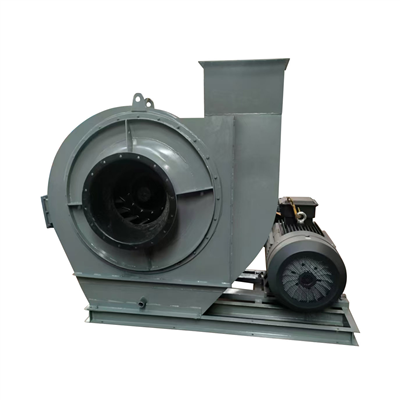
First up, we have the Centrifugal Roof Ventilator. These ventilators are known for their high efficiency and powerful airflow. They work by using a centrifugal force to draw air in and expel it out through the roof. This type of ventilator is great for large industrial buildings or commercial spaces where there is a need for a high volume of air to be moved. It can be strategically placed in different zones of the building to ensure that each area gets adequate ventilation.
Next, we have the Freestanding Roof Ventilator. These ventilators are self - contained units that can be installed on the roof without the need for complex ductwork. They are ideal for smaller buildings or areas where space is limited. Freestanding roof ventilators are often used in residential buildings, small offices, or storage facilities. They can be easily adjusted to direct the airflow to specific zones, making them a versatile option for ventilation zoning.
Finally, the Modular Roof Ventilator offers a flexible solution for ventilation zoning. These ventilators are made up of modular components that can be combined and customized to fit the specific needs of a building. They are great for buildings with complex layouts or multiple zones. You can add or remove modules as needed to adjust the ventilation capacity in different areas of the building.
When it comes to installing a roof ventilator for effective ventilation zoning, there are a few things to keep in mind. First, you need to consider the size and layout of the building. Larger buildings may require multiple ventilators to ensure proper air circulation in all zones. You also need to think about the location of the ventilators. Placing them in areas where there is a high concentration of heat or moisture, such as near machinery or in bathrooms, can help to target specific zones that need more ventilation.
Another important factor is the type of ventilation system in the building. Some buildings may have a natural ventilation system, while others may rely on mechanical ventilation. A roof ventilator can work in conjunction with both types of systems to enhance the overall ventilation performance. For example, in a natural ventilation system, the ventilator can help to increase the natural draft, while in a mechanical system, it can assist in removing stale air and bringing in fresh air.
The impact of a roof ventilator on a building's ventilation zoning is significant. It can improve air circulation, control humidity, and ensure that each zone of the building gets the right amount of ventilation. Whether you're dealing with a large industrial complex or a small residential building, choosing the right type of roof ventilator and installing it correctly can make a world of difference in the indoor environment.
If you're interested in learning more about how our roof ventilators can improve the ventilation zoning in your building, I'd love to have a chat. We can discuss your specific needs and find the best solution for your project. Don't hesitate to reach out and start the conversation about enhancing your building's ventilation.
References:
- Building Ventilation Handbook, various editions
- Ventilation System Design Guidelines from industry organizations