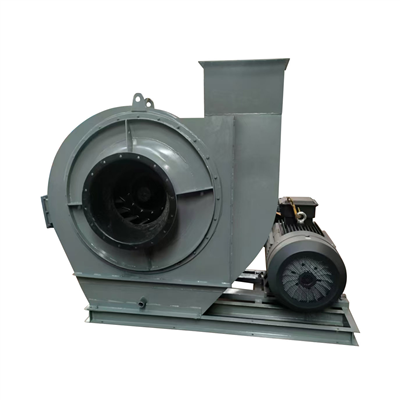
As a centrifugal fan supplier, I often get asked about overload protection for these fans. It's a crucial aspect that can significantly impact the performance and lifespan of the equipment. So, let's dive into what overload protection for a centrifugal fan is all about.
Understanding Centrifugal Fans
First off, let's quickly go over what a centrifugal fan is. Centrifugal fans are used in a wide range of applications, from industrial settings to HVAC systems. They work by using a rotating impeller to accelerate air radially outward, creating a high-pressure airflow. This makes them great for moving large volumes of air over relatively short distances.
Why Overload Protection is Necessary
Centrifugal fans can face various situations that might cause an overload. For example, if there's a blockage in the ductwork, the fan has to work harder to push the air through. This increased load can lead to overheating, which can damage the motor and other components. Overloading can also occur if the fan is operating at a higher capacity than it's designed for, perhaps due to a miscalculation in the system requirements.
Overload protection is like a safety net for the fan. It helps prevent damage to the motor and other critical parts by shutting off the fan when the load exceeds a certain limit. This not only protects the equipment but also reduces the risk of fire or other safety hazards.
Types of Overload Protection
There are several types of overload protection devices that can be used with centrifugal fans.
Thermal Overload Relays
These are one of the most common types of overload protection. Thermal overload relays work by monitoring the temperature of the motor. When the temperature rises above a set limit, the relay trips and cuts off the power to the motor. This is based on the principle that as the motor works harder under an overload, it generates more heat.
Electronic Overload Relays
Electronic overload relays are more advanced than thermal ones. They use electronic sensors to monitor the current flowing through the motor. If the current exceeds a pre - set value, the relay will trip. These relays offer more precise control and can be adjusted to different load conditions.
Fuses
Fuses are a simple but effective form of overload protection. They are designed to melt and break the circuit when the current exceeds a certain level. Once a fuse blows, it needs to be replaced. While fuses are relatively inexpensive, they are a one - time use device.
How Overload Protection Works in Practice
Let's say you have a centrifugal fan installed in an industrial ventilation system. The fan is running smoothly, but then there's a blockage in the duct. As the fan tries to push air through the blockage, the load on the motor increases.
If the fan is equipped with a thermal overload relay, the rising temperature of the motor will be detected. Once the temperature reaches the set limit, the relay will trip, and the power to the motor will be cut off. This prevents the motor from overheating and potentially causing damage.
In the case of an electronic overload relay, it will monitor the current. If the current spikes due to the increased load, the relay will quickly detect it and trip, stopping the fan.
Choosing the Right Overload Protection
When selecting an overload protection device for a centrifugal fan, several factors need to be considered.
Fan Capacity
The capacity of the fan, measured in terms of airflow and pressure, will determine the appropriate overload protection. A larger fan with a higher capacity will require a more robust protection device.
Operating Environment
The environment in which the fan operates also matters. If the fan is in a dusty or humid environment, it may be more prone to overheating, and a more sensitive overload protection device may be needed.
System Requirements
The overall requirements of the system, such as the frequency of operation and the expected load variations, should be taken into account. For example, if the fan is used in a system with frequent start - stop cycles, a more responsive overload protection device may be necessary.
Our Offerings
As a centrifugal fan supplier, we offer a wide range of fans with built - in overload protection. We have Wear-resistant Fan that are designed to withstand harsh environments and are equipped with reliable overload protection devices. Our Industrial Centrifugal Compressor also come with advanced overload protection to ensure long - term performance. And for larger applications, our Large Centrifugal Fan are engineered with high - quality overload protection features.
Importance of Regular Maintenance
Even with overload protection in place, regular maintenance of the centrifugal fan is essential. This includes checking the overload protection devices regularly to ensure they are functioning properly. Over time, the sensors in electronic overload relays may need calibration, and thermal overload relays may need to be inspected for any signs of wear.
Conclusion
Overload protection is a vital part of any centrifugal fan system. It helps protect the equipment from damage, reduces the risk of safety hazards, and ensures the long - term performance of the fan. As a centrifugal fan supplier, we understand the importance of providing fans with reliable overload protection.
If you're in the market for a centrifugal fan or need to upgrade your existing system, we're here to help. Our team of experts can assist you in choosing the right fan and overload protection device for your specific needs. Contact us to start a discussion about your requirements and let's work together to find the best solution for your application.


References
- "Centrifugal Fans: Principles and Applications" by John Doe
- "Industrial Fan Handbook" by Jane Smith