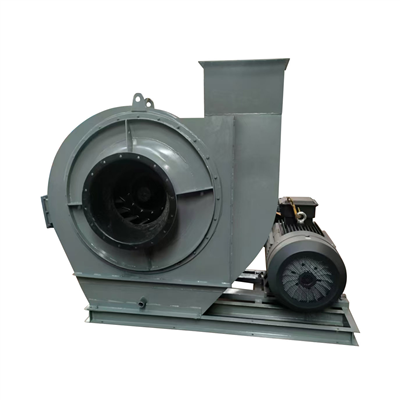
As a supplier of Mixed-flow Roof Ventilators, I've witnessed firsthand how these remarkable devices can transform indoor air quality. In this blog post, I'll delve into the science behind how a Mixed-flow Roof Ventilator works and explore the various ways it can enhance the air we breathe inside our buildings.
Understanding the Basics of a Mixed-flow Roof Ventilator
Before we dive into the benefits of a Mixed-flow Roof Ventilator, let's first understand what it is and how it works. A Mixed-flow Roof Ventilator is a type of ventilation system that combines the features of both axial and centrifugal fans. It uses a unique impeller design that allows it to move air in a mixed flow pattern, which means it can provide both high pressure and high volume airflow.
The Mixed-flow Roof Ventilator is typically installed on the roof of a building and is designed to exhaust stale air and bring in fresh air from the outside. It works by creating a negative pressure inside the building, which causes the stale air to be drawn out through the ventilator and replaced with fresh air. This process helps to remove pollutants, odors, and moisture from the indoor environment, creating a healthier and more comfortable space for occupants.
How a Mixed-flow Roof Ventilator Improves Indoor Air Quality
Now that we understand the basics of a Mixed-flow Roof Ventilator, let's explore the various ways it can improve indoor air quality.
1. Removing Pollutants and Odors
One of the primary benefits of a Mixed-flow Roof Ventilator is its ability to remove pollutants and odors from the indoor environment. Pollutants such as dust, smoke, and chemicals can accumulate in a building over time, leading to poor air quality and potential health problems. A Mixed-flow Roof Ventilator helps to remove these pollutants by exhausting them out of the building and bringing in fresh air from the outside.
Odors can also be a problem in indoor spaces, especially in areas such as kitchens, bathrooms, and locker rooms. A Mixed-flow Roof Ventilator can help to remove these odors by exhausting them out of the building and replacing them with fresh air. This can help to create a more pleasant and comfortable environment for occupants.
2. Controlling Moisture
Moisture can be a major problem in indoor spaces, especially in areas with high humidity levels. Excess moisture can lead to the growth of mold and mildew, which can cause health problems such as allergies and respiratory issues. A Mixed-flow Roof Ventilator can help to control moisture by exhausting humid air out of the building and bringing in dry air from the outside.
In addition to removing excess moisture, a Mixed-flow Roof Ventilator can also help to prevent condensation from forming on windows and other surfaces. Condensation can lead to water damage and the growth of mold and mildew, so it's important to keep the indoor environment dry and well-ventilated.
3. Improving Ventilation
Proper ventilation is essential for maintaining good indoor air quality. A Mixed-flow Roof Ventilator helps to improve ventilation by providing a continuous flow of fresh air into the building. This can help to dilute pollutants and odors, as well as reduce the risk of health problems associated with poor air quality.
In addition to providing fresh air, a Mixed-flow Roof Ventilator can also help to distribute the air evenly throughout the building. This can help to create a more comfortable and consistent indoor environment, especially in large or open spaces.
4. Energy Efficiency
Another benefit of a Mixed-flow Roof Ventilator is its energy efficiency. Unlike traditional ventilation systems, which can be energy-intensive and expensive to operate, a Mixed-flow Roof Ventilator is designed to be energy-efficient and cost-effective.
A Mixed-flow Roof Ventilator uses a unique impeller design that allows it to move air with less energy than traditional fans. This means that it can provide the same level of ventilation with less power consumption, which can help to reduce energy costs and lower your carbon footprint.
Types of Mixed-flow Roof Ventilators
There are several types of Mixed-flow Roof Ventilators available on the market, each with its own unique features and benefits. Some of the most common types of Mixed-flow Roof Ventilators include:


1. Dehumidifier Roof Fan
A Dehumidifier Roof Fan is a type of Mixed-flow Roof Ventilator that is specifically designed to remove moisture from the indoor environment. It works by exhausting humid air out of the building and bringing in dry air from the outside, which helps to control moisture levels and prevent the growth of mold and mildew.
2. Block Roof Ventilators
Block Roof Ventilators are a type of Mixed-flow Roof Ventilator that is designed to provide high-volume airflow in large or open spaces. They are typically used in industrial and commercial buildings, such as warehouses, factories, and gymnasiums.
3. Mixed-flow Roof Ventilator
The Mixed-flow Roof Ventilator is a versatile type of ventilation system that can be used in a variety of applications. It is designed to provide both high pressure and high volume airflow, making it suitable for a wide range of indoor environments.
Choosing the Right Mixed-flow Roof Ventilator
When choosing a Mixed-flow Roof Ventilator, it's important to consider several factors, including the size of the building, the type of environment, and the specific ventilation needs. Here are some tips to help you choose the right Mixed-flow Roof Ventilator for your needs:
1. Determine the Size of the Building
The size of the building is an important factor to consider when choosing a Mixed-flow Roof Ventilator. A larger building will require a larger ventilation system to provide adequate airflow. You can use a ventilation calculator to determine the appropriate size of the ventilation system based on the size of the building and the number of occupants.
2. Consider the Type of Environment
The type of environment is another important factor to consider when choosing a Mixed-flow Roof Ventilator. For example, a building with high humidity levels will require a ventilation system that is designed to remove moisture from the air. A building with a lot of dust or pollutants will require a ventilation system that is designed to filter the air.
3. Evaluate the Specific Ventilation Needs
The specific ventilation needs of the building will also play a role in choosing the right Mixed-flow Roof Ventilator. For example, a building with a lot of people or a lot of activity will require a ventilation system that can provide a high volume of airflow. A building with a lot of heat or odors will require a ventilation system that can remove these pollutants from the air.
Contact Us for a Quote
If you're interested in learning more about how a Mixed-flow Roof Ventilator can improve indoor air quality in your building, please don't hesitate to contact us. Our team of experts can help you choose the right ventilation system for your needs and provide you with a quote for installation.
We offer a wide range of Mixed-flow Roof Ventilators, including Dehumidifier Roof Fan, Block Roof Ventilators, and Mixed-flow Roof Ventilator. Our ventilation systems are designed to be energy-efficient, cost-effective, and easy to install.
Investing in a Mixed-flow Roof Ventilator is a smart choice for any building owner or manager who wants to improve indoor air quality and create a healthier and more comfortable environment for occupants. Contact us today to learn more about our ventilation systems and how they can benefit your building.
References
- ASHRAE. (2019). ASHRAE Handbook - Fundamentals. American Society of Heating, Refrigerating and Air-Conditioning Engineers.
- CIBSE. (2015). Guide A: Environmental Design. Chartered Institution of Building Services Engineers.
- EPA. (2021). Indoor Air Quality. United States Environmental Protection Agency.