


What is the Power Consumption of a Ventilation Fan?
As a supplier of ventilation fans, I often get asked about the power consumption of these essential devices. Understanding the power consumption of a ventilation fan is crucial for both residential and industrial users, as it directly impacts energy costs and overall efficiency. In this blog post, I will delve into the factors that influence the power consumption of ventilation fans, how to calculate it, and some tips on reducing energy usage.
Factors Affecting Power Consumption
The power consumption of a ventilation fan is influenced by several factors, including the type of fan, its size, speed, and the resistance it encounters in the ventilation system.
-
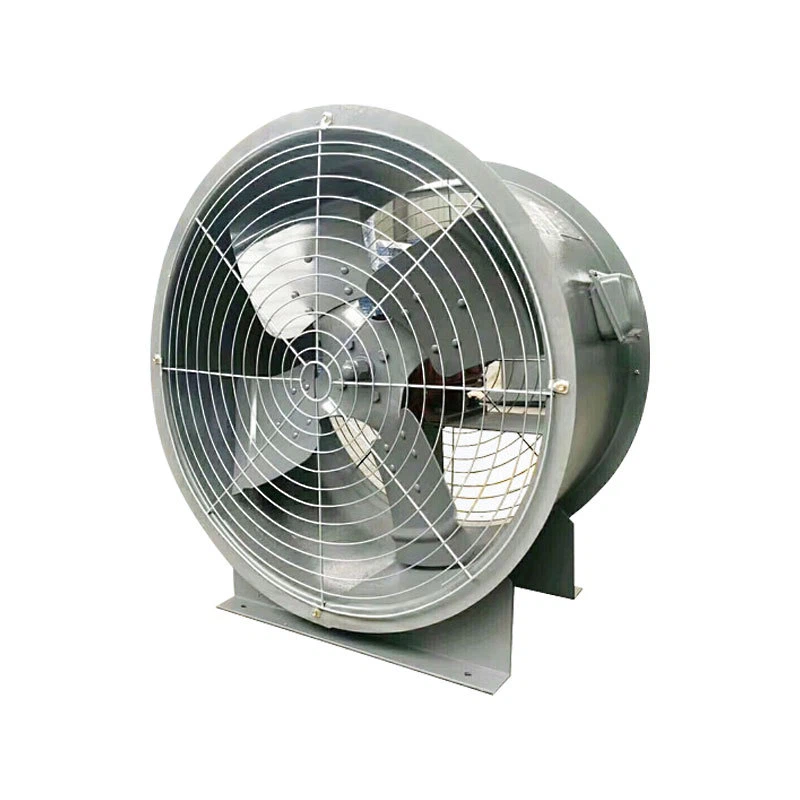
Type of Fan: Different types of ventilation fans have different power requirements. For example, Axial Flow Type Compressor are designed to move air in a straight line along the axis of the fan. They are generally more energy - efficient for applications where large volumes of air need to be moved over short distances. On the other hand, Industrial Axial Flow Fan are often used in industrial settings and may consume more power due to their larger size and higher airflow requirements. Vertical Mixed Flow Fan combine the characteristics of axial and centrifugal fans, and their power consumption can vary depending on the specific design and application.
-
Size of the Fan: Larger fans typically require more power to operate. This is because they have larger blades and motors, which need to work harder to move a greater volume of air. For instance, a small bathroom ventilation fan may consume only a few watts, while a large industrial fan can consume several kilowatts.
-
Fan Speed: The speed at which a fan operates also affects its power consumption. Higher speeds generally result in higher power usage. Most ventilation fans have multiple speed settings, allowing users to adjust the airflow and power consumption according to their needs.
-
System Resistance: The resistance in the ventilation system, such as ductwork, filters, and dampers, can increase the power consumption of the fan. A system with high resistance requires the fan to work harder to move air through it, thus consuming more energy.
Calculating Power Consumption
The power consumption of a ventilation fan can be calculated using the following formula:
Power (P) = Voltage (V) × Current (I)
In most cases, the voltage of a ventilation fan is a standard value (e.g., 110V or 220V), and the current can be measured using an ammeter. However, for most users, the power rating of the fan is usually provided by the manufacturer. This rating is typically given in watts (W) or kilowatts (kW).
For example, if a ventilation fan has a power rating of 50W and it operates for 10 hours a day, the daily energy consumption can be calculated as follows:
Energy consumption (kWh) = Power (kW) × Time (h)
First, convert the power from watts to kilowatts: 50W = 0.05kW
Then, calculate the energy consumption: 0.05kW × 10h = 0.5kWh per day
Tips for Reducing Power Consumption
-
Choose the Right Fan: Select a ventilation fan that is appropriately sized for your application. An oversized fan will consume more power than necessary, while an undersized fan may not provide sufficient airflow.
-
Use Variable - Speed Fans: Variable - speed fans allow you to adjust the fan speed according to the actual airflow requirements. This can significantly reduce power consumption, especially in applications where the airflow needs vary over time.
-
Maintain the Fan and System: Regular maintenance of the ventilation fan and the entire ventilation system is essential. Clean or replace filters regularly to reduce system resistance. Check for any leaks or blockages in the ductwork, as these can increase the fan's power consumption.

-
Optimize Fan Placement: Proper placement of the ventilation fan can improve its efficiency. Make sure the fan is installed in a location where it can draw in fresh air easily and expel stale air effectively.
Conclusion
Understanding the power consumption of a ventilation fan is essential for making informed decisions about energy usage and cost - savings. By considering the factors that affect power consumption, calculating the energy usage accurately, and implementing energy - saving measures, users can reduce their energy bills while still maintaining a comfortable and healthy indoor environment.
If you are in the market for a ventilation fan, we are here to help. Our company offers a wide range of high - quality ventilation fans, including Axial Flow Type Compressor, Industrial Axial Flow Fan, and Vertical Mixed Flow Fan. We can provide you with detailed information about the power consumption and performance of our products. Contact us to discuss your specific requirements and start a procurement negotiation.
References
- ASHRAE Handbook - HVAC Systems and Equipment. American Society of Heating, Refrigerating and Air - Conditioning Engineers.
- Fan Engineering: The Application, Selection, and Testing of Fans. Buffalo Forge Company.


