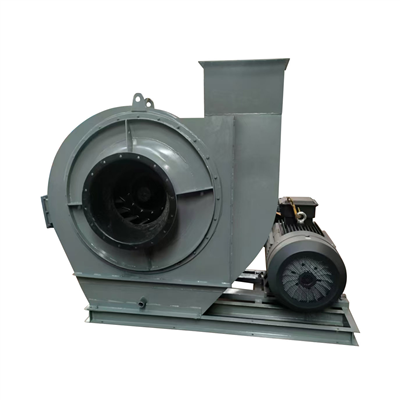
Hey there! As a supplier of Axial Flow Anti - corrosion Fans, I'm super excited to dive into the topic of what the blade design of these fans is all about.
Let's start with the basics. Axial flow anti - corrosion fans are widely used in various industries where corrosion resistance is a must. Think about chemical plants, wastewater treatment facilities, and food processing plants. These environments are full of corrosive substances like acids, alkalis, and other chemicals that can quickly damage regular fans. That's where our axial flow anti - corrosion fans come in handy.
The blade design of an axial flow anti - corrosion fan is crucial as it directly affects the fan's performance. There are several key aspects to consider when it comes to blade design.
Blade Shape
The shape of the blades plays a huge role in how the fan moves air. Most axial flow fans have blades with an airfoil shape. An airfoil is a shape that's designed to create lift when air flows over it. In the case of a fan, this lift translates into the movement of air. The airfoil shape helps to reduce turbulence and increase the efficiency of the fan. When the air flows smoothly over the blades, less energy is wasted, and the fan can move more air with less power consumption.
There are different types of airfoil shapes, and the choice depends on the specific application of the fan. For example, some applications may require a more aggressive airfoil shape to generate higher air pressure, while others may need a more gentle shape for lower - pressure applications.
Blade Material
Since these are anti - corrosion fans, the blade material is of utmost importance. We use a variety of materials to ensure corrosion resistance. One of the most common materials is fiberglass - reinforced plastic (FRP). FRP is a great choice because it's lightweight, strong, and highly resistant to corrosion. You can check out more about FRP Fan on our website.
Another material option is polypropylene. Polypropylene is also corrosion - resistant and has good chemical resistance. It's often used in applications where the corrosive environment is not extremely harsh.

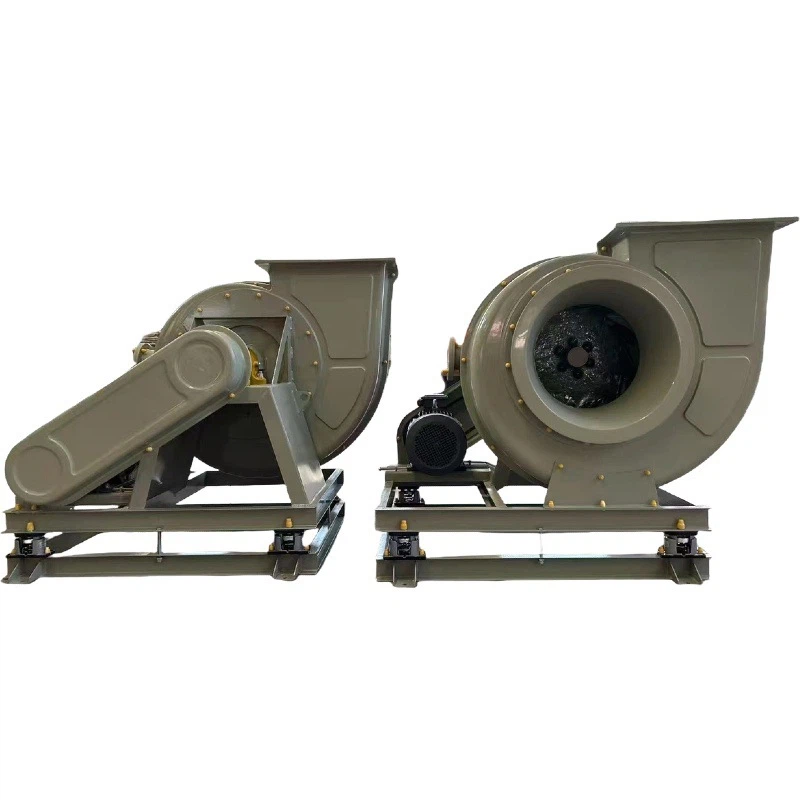
In some cases, we may also use stainless steel for the blades. Stainless steel is strong and can withstand a wide range of corrosive substances. However, it's heavier than FRP and polypropylene, which can affect the fan's performance and energy consumption.
Blade Angle
The blade angle is another critical factor in the design of an axial flow anti - corrosion fan. The blade angle determines how much air the fan can move and at what pressure. A larger blade angle generally means more air movement but may also require more power to operate. On the other hand, a smaller blade angle can reduce the air volume but may be more energy - efficient.
We adjust the blade angle based on the specific requirements of the application. For example, if the fan is used in a ventilation system where a large volume of air needs to be moved quickly, we may use a larger blade angle. But if the application requires a more precise control of air flow and pressure, a smaller blade angle may be more suitable.
Blade Number
The number of blades on an axial flow fan also affects its performance. Generally, more blades can provide a smoother and more uniform air flow. However, having too many blades can increase the drag and reduce the efficiency of the fan. We usually determine the optimal number of blades based on the size of the fan, the required air flow rate, and the pressure.
Performance and Efficiency
The blade design of an axial flow anti - corrosion fan directly impacts its performance and efficiency. A well - designed blade can move a large volume of air with less power consumption. This not only saves energy but also reduces the operating cost of the fan.
In addition to energy efficiency, the blade design also affects the noise level of the fan. A good blade design can reduce turbulence and noise, making the fan more suitable for applications where quiet operation is required.
Comparison with Other Fan Types
When it comes to corrosion - resistant fans, there are other types available in the market, such as Centrifugal Corrosion - resistant Fan and Low - pressure Corrosion - resistant Fan.
Centrifugal fans work by using centrifugal force to move air. They are typically used in applications where high pressure is required. Axial flow fans, on the other hand, move air parallel to the axis of the fan. They are more suitable for applications where a large volume of air needs to be moved at a relatively low pressure.
Low - pressure corrosion - resistant fans are designed for applications where a lower pressure is sufficient. They are often used in ventilation systems where the air needs to be circulated gently.
Customization
As a supplier, we understand that different customers have different requirements. That's why we offer customization services for our axial flow anti - corrosion fans. We can adjust the blade design, material, and other parameters based on your specific needs. Whether you need a fan for a small laboratory or a large industrial plant, we can provide a solution that meets your requirements.
Why Choose Our Axial Flow Anti - corrosion Fans
Our fans are designed and manufactured with the highest quality standards. We use the latest technology and materials to ensure the best performance and durability. Our team of experts is always ready to help you choose the right fan for your application.
If you're in the market for an axial flow anti - corrosion fan, we'd love to hear from you. Whether you have questions about the blade design, performance, or any other aspect of our fans, feel free to reach out. We're here to assist you in making the best decision for your needs. Let's start a conversation and see how we can help you with your fan requirements.
References
- Fan Engineering Handbook
- Corrosion Resistance in Industrial Fans: A Comprehensive Guide
So, if you're interested in discussing your axial flow anti - corrosion fan needs, don't hesitate to get in touch. We're looking forward to working with you!