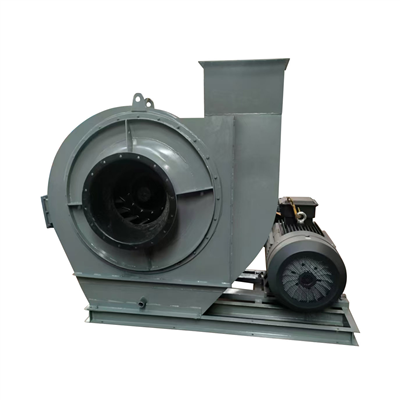
Hey there! As a supplier of corrosion-resistant fans, I often get asked about the noise reduction effect of these fans. So, I thought I'd take the time to share some insights on this topic.
First off, let's talk about why noise reduction is important when it comes to corrosion-resistant fans. In many industrial settings, noise can be a major issue. It can not only cause discomfort for workers but also lead to long-term hearing problems. Additionally, excessive noise can be a nuisance in residential areas near industrial facilities. So, having a fan that can operate quietly while still providing efficient ventilation is crucial.
Now, let's dive into how corrosion-resistant fans achieve noise reduction. One of the key factors is the design of the fan. Modern corrosion-resistant fans are engineered to minimize noise through various means. For example, the blades are often designed with aerodynamic shapes to reduce turbulence and airflow noise. This means that as the air moves through the fan, it does so more smoothly, resulting in less noise.
Another important aspect is the use of high-quality materials. Corrosion-resistant fans are typically made from materials like fiberglass, stainless steel, or titanium steel. These materials not only offer excellent corrosion resistance but also have properties that help dampen noise. For instance, fiberglass has good sound-absorbing qualities, which can help reduce the overall noise level of the fan.


The motor of the fan also plays a significant role in noise reduction. High-efficiency motors are designed to operate more quietly. They are often equipped with advanced insulation and vibration dampening technologies to minimize the noise generated during operation. Additionally, some motors are designed to run at lower speeds, which can also reduce noise.
Let's take a look at some of the specific types of corrosion-resistant fans and their noise reduction capabilities.
Low-pressure Corrosion-resistant Fan
The Low-pressure Corrosion-resistant Fan is a popular choice for applications where low-pressure ventilation is required. These fans are designed to operate quietly while providing a steady flow of air. They are often used in environments where noise is a concern, such as laboratories or clean rooms. The design of the low-pressure corrosion-resistant fan focuses on minimizing turbulence and airflow noise, resulting in a quieter operation.
Titanium Steel Fan
The Titanium Steel Fan is known for its excellent corrosion resistance and durability. In addition to these qualities, titanium steel fans also offer good noise reduction. The titanium steel material has inherent properties that help dampen noise, and the fan's design is optimized to reduce airflow noise. This makes the titanium steel fan a great choice for applications where both corrosion resistance and quiet operation are required.
Axial Flow Anti-corrosion Fan
The Axial Flow Anti-corrosion Fan is commonly used in industrial ventilation systems. These fans are designed to move large volumes of air efficiently. To reduce noise, axial flow anti-corrosion fans often feature specially designed blades and housings. The blades are shaped to minimize turbulence, and the housing is designed to absorb and deflect noise. This results in a quieter operation, even when the fan is running at high speeds.
In addition to the design and materials, proper installation and maintenance also play a crucial role in the noise reduction of corrosion-resistant fans. A well-installed fan will be properly balanced and aligned, which can significantly reduce vibration and noise. Regular maintenance, such as cleaning the fan blades and checking the motor, can also help ensure that the fan operates quietly and efficiently.
So, if you're in the market for a corrosion-resistant fan and noise reduction is a priority, it's important to consider these factors. Look for fans with aerodynamic designs, high-quality materials, and efficient motors. And don't forget about proper installation and maintenance.
If you're interested in learning more about our corrosion-resistant fans or have any questions about noise reduction, feel free to reach out to us. We'd be happy to discuss your specific needs and help you find the right fan for your application. Whether you're looking for a low-pressure fan for a small laboratory or a high-capacity axial flow fan for an industrial facility, we've got you covered.
In conclusion, the noise reduction effect of corrosion-resistant fans is an important consideration for many applications. By choosing the right fan and ensuring proper installation and maintenance, you can enjoy the benefits of efficient ventilation without the annoyance of excessive noise. So, don't hesitate to contact us if you're ready to take the next step in your ventilation system.
References:
- Various industry research on fan design and noise reduction
- Manufacturer specifications of corrosion-resistant fans