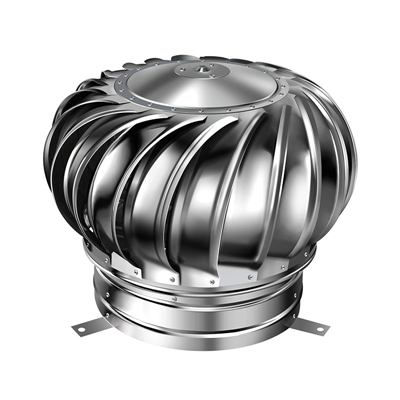
Hey there! As a supplier of corrosion-resistant fans, I often get asked about the blade materials used in these fans. It's a crucial topic because the right blade material can significantly impact the performance and lifespan of a corrosion-resistant fan. In this blog, I'll break down the different blade materials commonly used in these fans and explain their pros and cons.
Stainless Steel
Stainless steel is one of the most popular blade materials for corrosion-resistant fans. It's known for its excellent corrosion resistance, especially against common corrosive agents like acids, alkalis, and salts. This makes it a great choice for environments where the fan will be exposed to harsh chemicals or high humidity.
One of the main advantages of stainless steel blades is their durability. They can withstand a lot of wear and tear, which means they'll last longer than blades made from other materials. Additionally, stainless steel is relatively easy to clean and maintain, which is important for keeping the fan running smoothly.
However, stainless steel does have some drawbacks. It can be more expensive than other blade materials, which may make it less suitable for budget-conscious projects. Also, in some cases, stainless steel may not be the best choice for extremely corrosive environments. For example, in environments with high concentrations of certain acids, other materials may offer better corrosion resistance.
If you're interested in a corrosion-resistant fan with stainless steel blades, you can check out our Electric Fan Stainless. It's a high-quality fan that offers excellent performance and durability.

Fiberglass Reinforced Plastic (FRP)
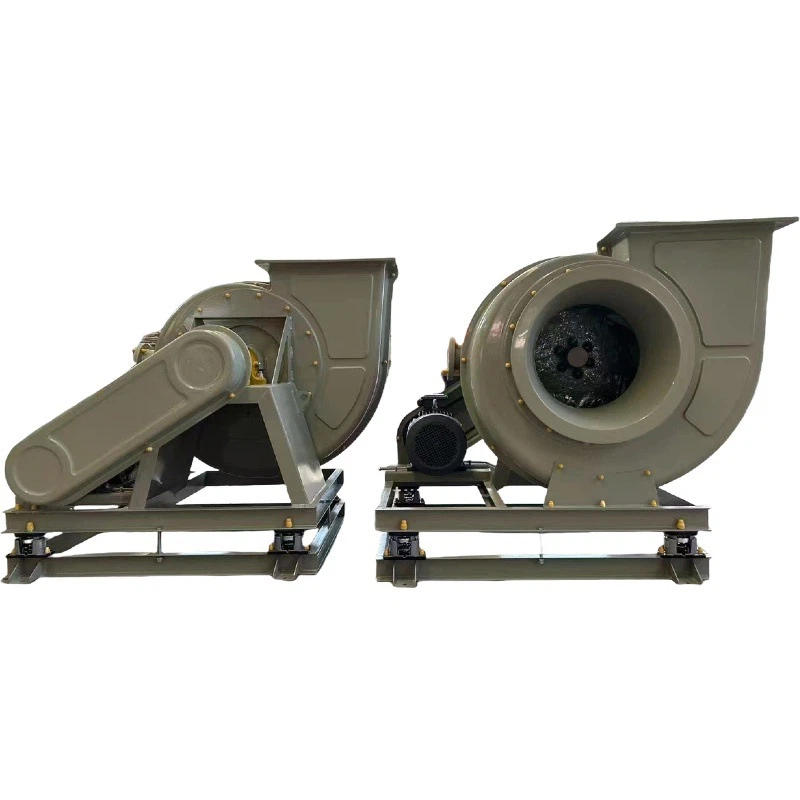
Fiberglass reinforced plastic, or FRP, is another popular blade material for corrosion-resistant fans. FRP is made by combining fiberglass with a resin matrix, which gives it excellent strength and corrosion resistance.
One of the biggest advantages of FRP blades is their lightweight. This makes them easier to install and operate, and it also reduces the load on the fan motor. Additionally, FRP is highly resistant to corrosion, making it a great choice for environments where the fan will be exposed to chemicals or moisture.
Another benefit of FRP blades is their versatility. They can be molded into a variety of shapes and sizes, which allows for greater design flexibility. This means that FRP blades can be customized to meet the specific needs of different applications.
However, FRP does have some limitations. It may not be as strong as some other materials, which means it may not be suitable for applications where high strength is required. Additionally, FRP can be more expensive than some other blade materials, especially for large-scale projects.
If you're looking for a corrosion-resistant fan with FRP blades, you might want to consider our Centrifugal Corrosion-resistant Fan. It's a reliable fan that offers excellent performance and corrosion resistance.
Polypropylene
Polypropylene is a thermoplastic polymer that is commonly used in the manufacturing of corrosion-resistant fans. It's known for its excellent chemical resistance, especially against acids, alkalis, and solvents.
One of the main advantages of polypropylene blades is their low cost. They're relatively inexpensive to produce, which makes them a great choice for budget-conscious projects. Additionally, polypropylene is lightweight and easy to work with, which makes it a popular choice for fan manufacturers.
Another benefit of polypropylene blades is their resistance to impact. They can withstand a lot of abuse without cracking or breaking, which makes them a durable choice for industrial applications.
However, polypropylene does have some limitations. It may not be as strong as some other materials, which means it may not be suitable for applications where high strength is required. Additionally, polypropylene can be affected by UV radiation, which may cause it to degrade over time.
If you're interested in a corrosion-resistant fan with polypropylene blades, you can take a look at our Axial Flow Anti-corrosion Fan. It's a cost-effective fan that offers good performance and corrosion resistance.
Other Materials
In addition to stainless steel, FRP, and polypropylene, there are other materials that can be used for the blades of corrosion-resistant fans. For example, titanium is a highly corrosion-resistant material that is often used in high-performance applications. However, titanium is also very expensive, which makes it less suitable for most budget-conscious projects.
Another material that can be used for fan blades is carbon fiber. Carbon fiber is known for its high strength and lightweight, which makes it a great choice for applications where weight is a concern. However, carbon fiber is also very expensive, and it may not be as corrosion-resistant as some other materials.
Choosing the Right Blade Material
When choosing the blade material for a corrosion-resistant fan, there are several factors to consider. First, you need to consider the environment in which the fan will be used. If the fan will be exposed to harsh chemicals or high humidity, you'll need to choose a material that is highly corrosion-resistant.
Second, you need to consider the performance requirements of the fan. If the fan needs to operate at high speeds or under heavy loads, you'll need to choose a material that is strong and durable.
Finally, you need to consider your budget. Some materials, such as stainless steel and titanium, are more expensive than others, so you'll need to choose a material that fits your budget.
Conclusion
In conclusion, the blade material of a corrosion-resistant fan is an important factor to consider when choosing a fan. Stainless steel, FRP, and polypropylene are all popular blade materials, each with its own advantages and disadvantages. By understanding the properties of these materials and considering the specific requirements of your application, you can choose the right blade material for your corrosion-resistant fan.
If you're interested in purchasing a corrosion-resistant fan, please don't hesitate to contact us for more information. We're a leading supplier of corrosion-resistant fans, and we're committed to providing our customers with high-quality products and excellent customer service.
References
- "Corrosion-Resistant Fan Materials: A Comprehensive Guide" by Fan Manufacturer's Association
- "The Properties and Applications of Stainless Steel" by Metal Industry Journal
- "Fiberglass Reinforced Plastic: A Versatile Material for Industrial Applications" by Composite Materials Magazine
- "Polypropylene: A Cost-Effective Solution for Corrosion Resistance" by Plastic Industry Review