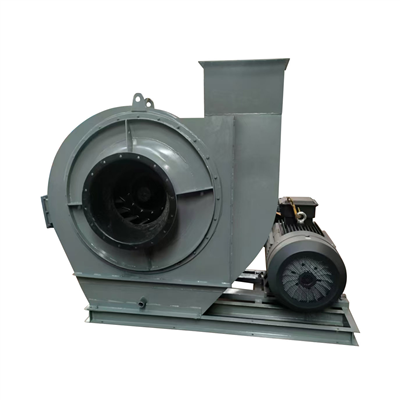
As a trusted supplier of Centrifugal Corrosion-resistant Fans, ensuring the tightness of connections in these fans is crucial for their optimal performance and longevity. In this blog, I'll share comprehensive insights on how to inspect the tightness of connections in a centrifugal corrosion-resistant fan.
Understanding the Importance of Connection Tightness
Before delving into the inspection process, it's essential to understand why connection tightness matters. A centrifugal corrosion-resistant fan operates under various conditions, including high speeds and potentially corrosive environments. Loose connections can lead to a multitude of problems, such as air leakage, reduced efficiency, and even mechanical failures. Air leakage not only compromises the fan's performance but can also pose safety risks in certain applications. Moreover, in corrosive environments, loose connections can allow corrosive substances to seep in, accelerating the deterioration of the fan components.
Types of Connections in a Centrifugal Corrosion-resistant Fan
Centrifugal corrosion-resistant fans typically have several types of connections that need to be inspected. These include:
- Flange Connections: Flanges are used to connect the fan to the ductwork or other components. They are usually bolted together, and the tightness of these bolts is critical to prevent air leakage.
- Shaft Connections: The shaft connects the motor to the fan impeller. A loose shaft connection can cause vibration, noise, and even damage to the motor or impeller.
- Electrical Connections: Electrical connections power the fan and control its operation. Loose electrical connections can lead to electrical failures, overheating, and potential safety hazards.
Inspection Tools
To effectively inspect the tightness of connections in a centrifugal corrosion-resistant fan, you'll need the following tools:


- Torque Wrench: A torque wrench is used to measure the amount of torque applied to bolts. This ensures that bolts are tightened to the manufacturer's specifications.
- Visual Inspection Tools: A flashlight and a magnifying glass can be used to visually inspect connections for signs of wear, damage, or looseness.
- Leak Detection Equipment: For detecting air leaks, you can use a smoke pen or a pressure gauge.
Step-by-Step Inspection Process
Visual Inspection
- Examine the Fan Exterior: Start by visually inspecting the exterior of the fan for any signs of damage, such as cracks, dents, or corrosion. Pay special attention to the areas around the connections.
- Check Flange Connections: Inspect the flange connections for any signs of misalignment or damage. Look for loose bolts, rust, or corrosion. If you notice any issues, tighten the bolts or replace any damaged components.
- Inspect Shaft Connections: Check the shaft connections for any signs of play or movement. A small amount of play may be normal, but excessive play can indicate a loose connection. You can use a dial indicator to measure the amount of play.
- Review Electrical Connections: Inspect the electrical connections for any signs of damage, such as frayed wires or loose terminals. Make sure all connections are secure and free of corrosion.
Torque Inspection
- Determine the Torque Specifications: Refer to the fan's manufacturer's manual to determine the correct torque specifications for the bolts. Different types of bolts and applications may require different torque values.
- Use a Torque Wrench: Use a torque wrench to tighten the bolts to the specified torque value. Make sure to apply the torque evenly to avoid over-tightening or under-tightening.
- Check for Proper Tightening: After tightening the bolts, check for proper tightening by attempting to turn the bolts with a wrench. If the bolts turn easily, they may not be tightened enough. If they are difficult to turn, they may be over-tightened.
Leak Detection
- Use a Smoke Pen: A smoke pen can be used to detect air leaks around the connections. Hold the smoke pen near the connection and observe if the smoke is drawn into the connection. If the smoke is drawn in, it indicates an air leak.
- Use a Pressure Gauge: A pressure gauge can be used to measure the pressure inside the fan. If the pressure drops unexpectedly, it may indicate an air leak.
Common Issues and Solutions
- Loose Bolts: Loose bolts are a common issue in fan connections. To solve this problem, simply tighten the bolts to the specified torque value. If the bolts are damaged or worn, replace them with new ones.
- Corrosion: Corrosion can cause connections to become loose or damaged. To prevent corrosion, use corrosion-resistant materials and apply a protective coating to the connections. If corrosion has already occurred, clean the connections and apply a rust inhibitor.
- Misalignment: Misalignment of connections can cause vibration and premature wear. To correct misalignment, use shims or adjust the position of the components.
Conclusion
Inspecting the tightness of connections in a centrifugal corrosion-resistant fan is an essential part of maintenance. By following the steps outlined in this blog, you can ensure that your fan operates efficiently and safely. Regular inspections can help prevent costly repairs and downtime.
If you're in the market for a high-quality Centrifugal Corrosion-resistant Fan, we offer a wide range of options to meet your specific needs. Our FRP Fan and Titanium Steel Fan are designed to provide reliable performance in corrosive environments. Contact us to discuss your requirements and explore our product offerings.
References
- Manufacturer's manuals for centrifugal corrosion-resistant fans
- Industry standards for fan installation and maintenance