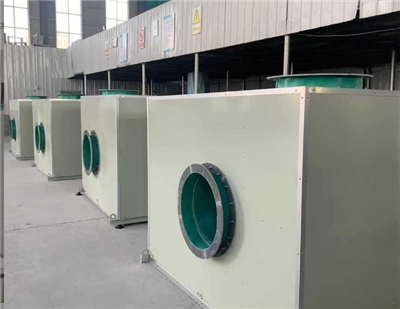
Hey there! As a supplier of Low-pressure High-temperature Fans, I often get asked about the air-tightness requirements for the connection of these fans. In this blog, I'm gonna break it down for you and explain why it's so important.
First off, let's talk about what a Low-pressure High-temperature Fan is. These fans are designed to move air at relatively low pressures but can handle high temperatures. They're used in a variety of industries, like food processing, chemical manufacturing, and even in some HVAC systems. You can check out our Low-pressure High-temperature Fan on our website to learn more about the features and specifications.
Now, why is air-tightness so crucial when it comes to the connection of these fans? Well, think about it. If there are leaks in the connections, it can lead to a whole bunch of problems. For starters, it can reduce the efficiency of the fan. When air leaks out, the fan has to work harder to achieve the desired airflow, which means more energy consumption and higher operating costs.
Another issue is safety. In high-temperature applications, any air leakage can pose a risk. Hot air can escape and potentially cause burns or start a fire if it comes into contact with flammable materials. So, ensuring proper air-tightness is not just about efficiency but also about keeping the workplace safe.
So, what are the air-tightness requirements? There are a few key factors to consider.
Sealing Materials
The choice of sealing materials is super important. You need to use materials that can withstand the high temperatures and the pressure conditions. For example, silicone gaskets are a popular choice because they can handle high temperatures and provide a good seal. They're flexible and can conform to the shape of the connection, preventing air from leaking out.
Connection Design
The design of the connection also plays a big role. A well-designed connection should have a proper mating surface. This means that the parts that are being connected should fit together snugly. If the surfaces are rough or uneven, it can be difficult to achieve a good seal. Some connections use flanges, which are flat, circular pieces that are bolted together. The flanges need to be machined accurately to ensure a tight fit.
Installation Process
The way the fan is installed is crucial for air-tightness. During installation, it's important to follow the manufacturer's instructions carefully. This includes tightening the bolts to the correct torque. If the bolts are too loose, there will be gaps and air will leak. On the other hand, if they're too tight, it can damage the sealing materials.
Regular Maintenance
Even after a proper installation, regular maintenance is necessary to ensure continued air-tightness. Over time, the sealing materials can wear out or become damaged. You should inspect the connections regularly and replace any worn-out gaskets or seals. This will help to maintain the efficiency and safety of the fan.
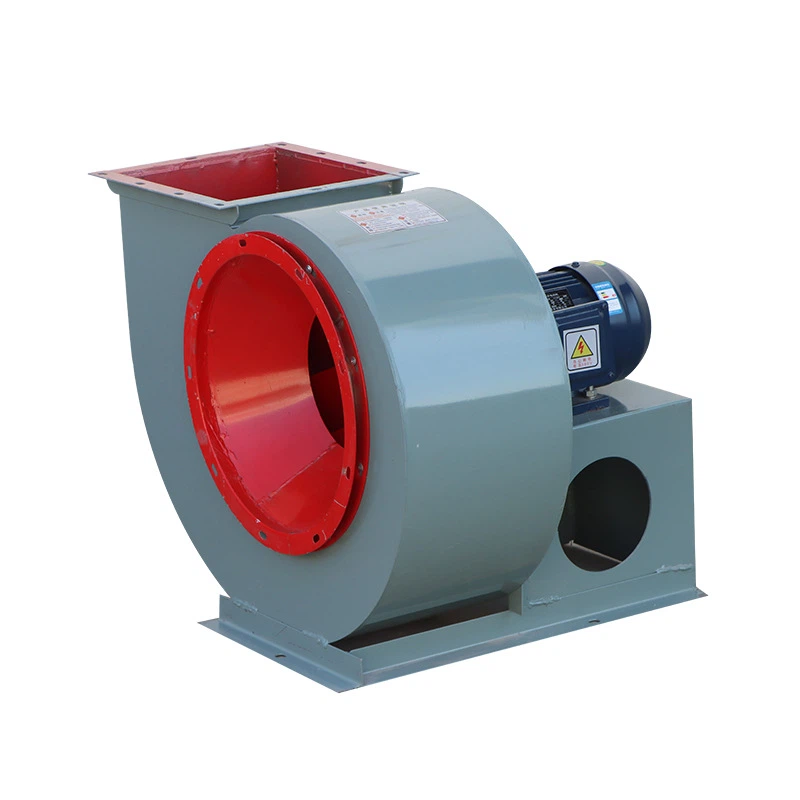
Let's compare our Low-pressure High-temperature Fan with other types of high-temperature fans. For example, the Volute High-pressure High-temperature Fan is designed to handle higher pressures. While the air-tightness requirements are similar, the design and construction of the connections may be different. The volute shape of the fan can affect the airflow and the way the connections are made.
Another type is the Centrifugal High Temperature Fan. These fans use centrifugal force to move air. The air-tightness requirements for the connections are also important, but the focus may be more on the housing and the impeller connections.
In conclusion, the air-tightness requirements for the connection of a Low-pressure High-temperature Fan are essential for its proper functioning, efficiency, and safety. By using the right sealing materials, having a well-designed connection, following the correct installation process, and performing regular maintenance, you can ensure that your fan operates at its best.
If you're in the market for a Low-pressure High-temperature Fan or have any questions about air-tightness requirements, don't hesitate to reach out. We're here to help you make the right choice for your application.

References:
- Industry standards for high-temperature fan design and installation
- Manufacturer's guidelines for Low-pressure High-temperature Fans