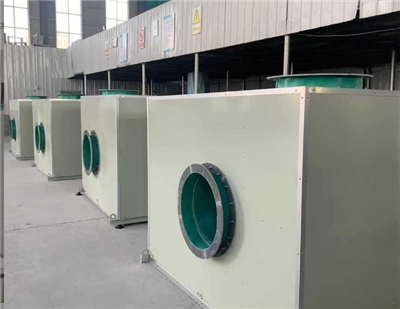
In the industrial sector, high-temperature fans play a crucial role in various applications, such as ventilation, cooling, and exhaust systems in high-temperature environments. When it comes to high-temperature fans, two main types stand out: fixed frequency and variable frequency high-temperature fans. As a supplier of Fixed Frequency High Temperature Fans, I'd like to delve into the differences between these two types to help you make an informed decision for your specific needs.
Working Principle
The fundamental difference between fixed frequency and variable frequency high-temperature fans lies in their working principles. Fixed frequency fans operate at a constant speed, determined by the power supply frequency. In most cases, the power supply frequency is fixed at 50Hz or 60Hz, depending on the region. This means that the fan runs at a single, unchanging speed, providing a consistent airflow rate and pressure.
On the other hand, variable frequency high-temperature fans are equipped with a variable frequency drive (VFD). The VFD allows the fan to adjust its speed according to the specific requirements of the application. By changing the frequency of the power supply to the motor, the VFD can control the motor's speed, which in turn adjusts the airflow rate and pressure of the fan. This flexibility makes variable frequency fans more adaptable to different operating conditions.


Airflow and Pressure Control
One of the most significant differences between fixed frequency and variable frequency high-temperature fans is their ability to control airflow and pressure. Fixed frequency fans offer a fixed airflow rate and pressure, which is determined by the fan's design and the power supply frequency. While this can be sufficient for applications with relatively stable requirements, it may not be ideal for situations where the airflow and pressure need to be adjusted frequently.
Variable frequency fans, however, provide precise control over airflow and pressure. The VFD allows the fan to operate at different speeds, enabling it to meet the specific needs of the application. For example, in a high-temperature industrial process where the heat load varies throughout the day, a variable frequency fan can adjust its speed to maintain a consistent temperature and airflow. This not only improves the efficiency of the system but also reduces energy consumption.
Energy Efficiency
Energy efficiency is a critical factor in the selection of high-temperature fans. Fixed frequency fans operate at a constant speed, regardless of the actual demand for airflow and pressure. This means that they may consume more energy than necessary, especially when the system does not require full capacity.
Variable frequency fans, on the other hand, are more energy-efficient. By adjusting the speed of the fan according to the actual demand, they can significantly reduce energy consumption. For instance, when the system requires less airflow, the fan can operate at a lower speed, consuming less power. This not only saves energy but also reduces operating costs in the long run.
Cost
The cost of fixed frequency and variable frequency high-temperature fans also differs. Fixed frequency fans are generally less expensive to purchase and install. They have a simpler design and do not require a variable frequency drive, which reduces the overall cost. However, their energy consumption may be higher, resulting in higher operating costs over time.
Variable frequency fans, although more expensive to purchase initially, can provide significant cost savings in the long term. Their energy efficiency can offset the higher upfront cost, making them a more cost-effective option for applications with variable airflow and pressure requirements.
Application Suitability
The choice between fixed frequency and variable frequency high-temperature fans depends on the specific application requirements. Fixed frequency fans are suitable for applications with relatively stable airflow and pressure requirements. For example, in a simple ventilation system where the heat load is constant, a fixed frequency fan can provide a reliable and cost-effective solution.
Variable frequency fans, on the other hand, are ideal for applications where the airflow and pressure need to be adjusted frequently. They are commonly used in industrial processes, such as chemical plants, power plants, and manufacturing facilities, where the heat load and ventilation requirements can vary significantly.
Types of High-Temperature Fans
There are several types of high-temperature fans available in the market, including Centrifugal High Temperature Fan, Axial Flow High Temperature Fan, and Insertion High-pressure High-temperature Fan. Each type has its own characteristics and is suitable for different applications.
Centrifugal high-temperature fans are known for their high-pressure capabilities. They are commonly used in applications where a high-pressure airflow is required, such as in industrial drying processes and ventilation systems with long duct runs.
Axial flow high-temperature fans, on the other hand, are designed to provide a large volume of airflow at a relatively low pressure. They are often used in applications where a high volume of air needs to be moved, such as in cooling towers and large-scale ventilation systems.
Insertion high-pressure high-temperature fans are specifically designed for applications where space is limited. They can be inserted into existing duct systems, providing a high-pressure airflow without the need for extensive modifications.
Conclusion
In conclusion, the differences between fixed frequency and variable frequency high-temperature fans are significant. Fixed frequency fans offer a simple and cost-effective solution for applications with stable airflow and pressure requirements, while variable frequency fans provide greater flexibility and energy efficiency for applications with variable requirements. When choosing a high-temperature fan, it is important to consider the specific application requirements, energy efficiency, and cost.
If you are in the market for a high-temperature fan and need further information or assistance, please feel free to contact us. Our team of experts can help you select the most suitable fan for your application and provide you with a competitive quote.
References
- Fan Engineering Handbook, American Society of Heating, Refrigerating and Air-Conditioning Engineers (ASHRAE)
- Industrial Ventilation: A Manual of Recommended Practice, American Conference of Governmental Industrial Hygienists (ACGIH)