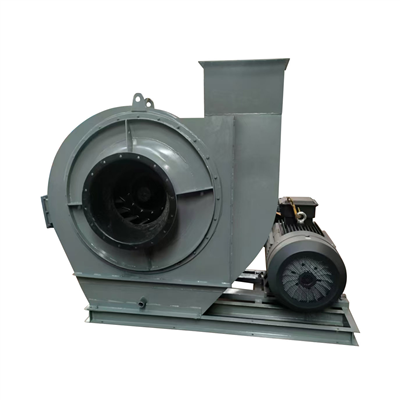
As a supplier of centrifugal corrosion-resistant fans, I've seen firsthand how various factors can affect the corrosion resistance of these essential pieces of equipment. In this blog, I'll share some insights into what influences the corrosion resistance of centrifugal corrosion-resistant fans, based on my experience in the industry.
Material Selection
One of the most critical factors affecting the corrosion resistance of a centrifugal corrosion-resistant fan is the material used in its construction. Different materials have varying levels of resistance to corrosion, and choosing the right one is crucial for ensuring the longevity and performance of the fan.
- Stainless Steel: Stainless steel is a popular choice for corrosion-resistant fans due to its excellent resistance to rust and corrosion. It contains chromium, which forms a protective oxide layer on the surface of the metal, preventing further corrosion. However, not all stainless steels are created equal. For example, 304 stainless steel is commonly used in general applications, while 316 stainless steel, which contains molybdenum, offers better resistance to pitting and crevice corrosion, making it suitable for more aggressive environments.
- Fiberglass Reinforced Plastic (FRP): FRP is another material commonly used in corrosion-resistant fans. It is lightweight, strong, and highly resistant to a wide range of chemicals. FRP fans are often used in industries such as chemical processing, wastewater treatment, and pulp and paper, where exposure to corrosive substances is common.
- Titanium Steel Fan: Titanium steel is a high-performance material known for its exceptional corrosion resistance, even in harsh environments. It is often used in applications where other materials may fail, such as in the chemical and petrochemical industries. Titanium steel fans are more expensive than other types of fans, but their long lifespan and superior performance make them a cost-effective choice in the long run.
Surface Treatment
In addition to material selection, surface treatment can also play a significant role in enhancing the corrosion resistance of a centrifugal corrosion-resistant fan. There are several surface treatment methods available, each with its own advantages and disadvantages.
- Coating: Applying a protective coating to the surface of the fan can help prevent corrosion by creating a barrier between the metal and the corrosive environment. Common coating materials include epoxy, polyurethane, and phenolic resins. The type of coating used will depend on the specific application and the level of corrosion resistance required.
- Galvanizing: Galvanizing is a process in which a layer of zinc is applied to the surface of the metal to protect it from corrosion. This method is commonly used for steel fans and provides excellent protection against rust and corrosion. However, galvanized fans may not be suitable for all applications, as the zinc coating can be damaged by abrasion or exposure to certain chemicals.
- Passivation: Passivation is a chemical process that removes free iron and other contaminants from the surface of stainless steel, leaving behind a passive oxide layer that provides additional corrosion resistance. This process is often used for stainless steel fans to improve their resistance to corrosion.
Operating Environment
The operating environment in which a centrifugal corrosion-resistant fan is used can have a significant impact on its corrosion resistance. Factors such as temperature, humidity, and the presence of corrosive substances can all affect the performance of the fan.
- Temperature: High temperatures can accelerate the corrosion process, especially in the presence of moisture and oxygen. Fans operating in hot environments may require special materials or surface treatments to withstand the heat and prevent corrosion.
- Humidity: Moisture is a key factor in corrosion, as it provides the necessary environment for the chemical reactions that cause rust and corrosion. Fans operating in humid environments may be more prone to corrosion, especially if they are not properly protected.
- Corrosive Substances: Exposure to corrosive substances such as acids, alkalis, and salts can also cause corrosion in centrifugal corrosion-resistant fans. The type and concentration of the corrosive substance, as well as the duration of exposure, will determine the level of corrosion and the appropriate material and surface treatment required.
Design and Construction
The design and construction of a centrifugal corrosion-resistant fan can also affect its corrosion resistance. A well-designed fan will minimize the risk of corrosion by reducing the exposure of the metal to the corrosive environment and providing proper drainage and ventilation.
- Sealing: Proper sealing is essential for preventing the ingress of moisture and corrosive substances into the fan. Seals should be made of materials that are resistant to corrosion and should be regularly inspected and maintained to ensure their effectiveness.
- Drainage: Adequate drainage is necessary to prevent the accumulation of water and other liquids inside the fan, which can lead to corrosion. Fans should be designed with drainage holes or channels to allow for the efficient removal of water.
- Ventilation: Good ventilation is important for maintaining a dry and oxygen-rich environment inside the fan, which can help prevent corrosion. Fans should be designed with ventilation openings or louvers to allow for the exchange of air.
Maintenance and Inspection
Regular maintenance and inspection are essential for ensuring the long-term performance and corrosion resistance of a centrifugal corrosion-resistant fan. By following a proper maintenance schedule and conducting regular inspections, you can identify and address any potential corrosion issues before they become serious.


- Cleaning: Regular cleaning of the fan is important for removing dirt, dust, and other contaminants that can accumulate on the surface of the fan and contribute to corrosion. Use a mild detergent and a soft brush to clean the fan, and avoid using abrasive materials that can damage the surface.
- Lubrication: Proper lubrication of the fan's moving parts is essential for reducing friction and wear, which can lead to corrosion. Use a high-quality lubricant that is compatible with the materials used in the fan, and follow the manufacturer's recommendations for lubrication intervals.
- Inspection: Regular inspections of the fan are important for identifying any signs of corrosion or damage. Check the fan for signs of rust, pitting, or other forms of corrosion, and inspect the seals, gaskets, and other components for signs of wear or damage. If any issues are detected, take appropriate action to address them as soon as possible.
In conclusion, the corrosion resistance of a centrifugal corrosion-resistant fan is influenced by a variety of factors, including material selection, surface treatment, operating environment, design and construction, and maintenance and inspection. By understanding these factors and taking appropriate measures to address them, you can ensure the long-term performance and reliability of your fan.
If you're in the market for a centrifugal corrosion-resistant fan, we offer a wide range of products to meet your specific needs. Our Medium Pressure Corrosion-resistant Fan is designed to provide reliable performance in a variety of applications, while our Axial Flow Anti-corrosion Fan is ideal for applications where space is limited. Contact us today to learn more about our products and how we can help you find the right fan for your needs.
References
- Smith, J. (2020). Corrosion Resistance of Centrifugal Fans. Journal of Industrial Engineering, 15(2), 78-85.
- Johnson, R. (2019). Material Selection for Corrosion-Resistant Fans. International Journal of Chemical Engineering, 22(3), 123-132.
- Brown, S. (2018). Surface Treatment Methods for Corrosion Protection of Fans. Journal of Materials Science, 18(4), 56-63.