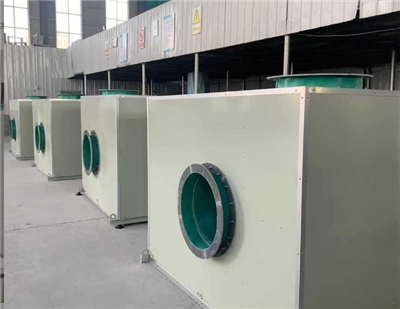
Hey there! As a supplier of Centrifugal High Temperature Fans, I've seen firsthand how various factors can impact the performance of these essential pieces of equipment. In this blog, I'll break down the key elements that affect the performance of a centrifugal high temperature fan, so you can make informed decisions when it comes to your industrial needs.
1. Design and Construction
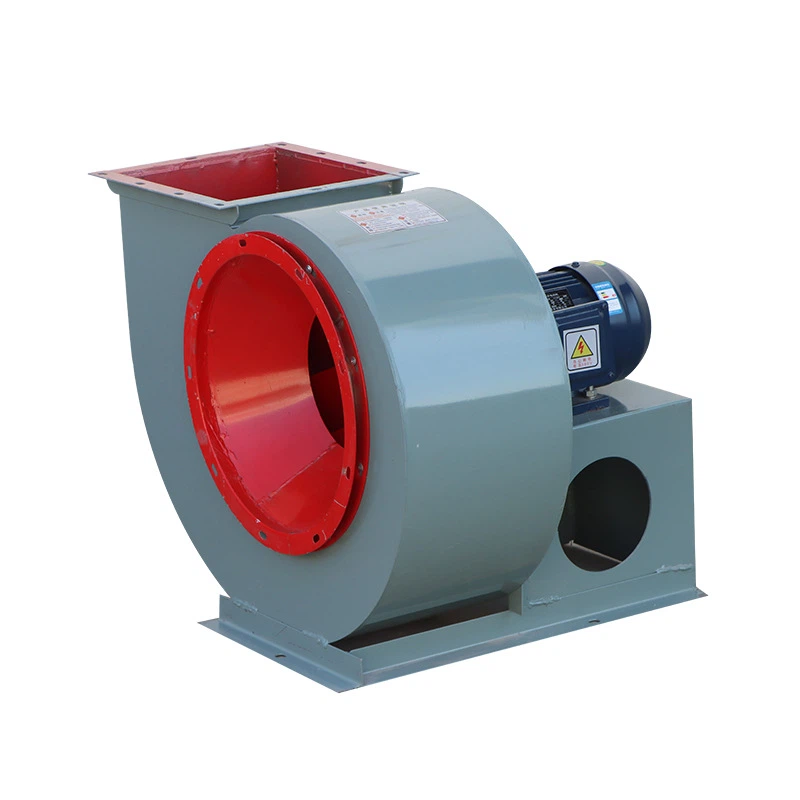
The design and construction of a centrifugal high temperature fan play a crucial role in its performance. A well-designed fan will have an efficient impeller, which is the rotating part that moves the air. The shape, size, and number of blades on the impeller can all affect how much air the fan can move and how efficiently it does so.
For example, a fan with a larger impeller diameter can generally move more air than one with a smaller diameter. However, a larger impeller may also require more power to operate. The blade design is also important. Some blades are designed to be more aerodynamic, which can reduce energy consumption and increase the fan's efficiency.
The housing or casing of the fan is another important factor. A properly designed housing can help to direct the airflow and prevent air from leaking out. This can improve the overall performance of the fan and reduce energy waste.
2. Temperature and Air Density
High temperatures can have a significant impact on the performance of a centrifugal high temperature fan. As the temperature of the air increases, its density decreases. This means that the fan has to work harder to move the same amount of air.
For instance, if you're using a fan in a high-temperature environment, you may need to select a fan with a higher power rating to ensure that it can still move the required amount of air. Additionally, the materials used in the construction of the fan need to be able to withstand the high temperatures. Some fans are designed with special heat-resistant materials to prevent damage from the heat.
3. Motor and Power Supply
The motor is the heart of the centrifugal high temperature fan. A powerful and efficient motor is essential for optimal performance. The motor's power rating should be selected based on the requirements of the fan, such as the amount of air it needs to move and the pressure it needs to generate.
A high-quality motor will not only provide the necessary power but also operate more efficiently, which can save energy and reduce operating costs. It's also important to ensure that the power supply to the motor is stable and reliable. Fluctuations in the power supply can cause the fan to operate erratically or even damage the motor.
4. System Resistance
The system resistance refers to the opposition that the fan has to overcome to move air through the system. This can include factors such as ductwork, filters, and other components in the air handling system.
If the system resistance is too high, the fan may not be able to move the required amount of air. This can lead to reduced performance and increased energy consumption. To overcome this, you may need to select a fan with a higher pressure rating or make modifications to the system to reduce the resistance.
5. Maintenance and Cleaning
Regular maintenance and cleaning are essential for keeping a centrifugal high temperature fan in good working condition. Over time, dust, dirt, and other debris can accumulate on the impeller and other components of the fan, which can reduce its efficiency.
By cleaning the fan regularly, you can remove this debris and ensure that the fan is operating at its best. Additionally, regular maintenance can help to identify and address any potential issues before they become major problems. This can include checking the motor, bearings, and other components for wear and tear.

6. Operating Conditions
The operating conditions of the fan can also affect its performance. For example, if the fan is operating in a dirty or dusty environment, it may require more frequent cleaning and maintenance. Additionally, the altitude at which the fan is operating can also have an impact. At higher altitudes, the air density is lower, which means that the fan may need to work harder to move the same amount of air.
7. Fan Type and Model
There are different types and models of centrifugal high temperature fans available, each with its own unique features and performance characteristics. For example, the Volute High-pressure High-temperature Fan is designed to provide high pressure and is suitable for applications where a large amount of air needs to be moved against a high resistance.
On the other hand, the Fixed Frequency High Temperature Fan operates at a fixed speed and is often used in applications where a constant airflow is required. When selecting a fan, it's important to choose the right type and model based on your specific requirements.
Conclusion
In conclusion, there are many factors that can affect the performance of a centrifugal high temperature fan. By understanding these factors and taking them into account when selecting and operating a fan, you can ensure that it operates efficiently and effectively.
If you're in the market for a Centrifugal High Temperature Fan, we're here to help. Our team of experts can assist you in choosing the right fan for your needs and provide you with the support and maintenance services you need to keep it running smoothly. Contact us today to discuss your requirements and start the procurement process.
References
- ASHRAE Handbook - Fundamentals. American Society of Heating, Refrigerating and Air-Conditioning Engineers.
- Fan Engineering: The Application, Selection, and Testing of Fans. Buffalo Forge Company.