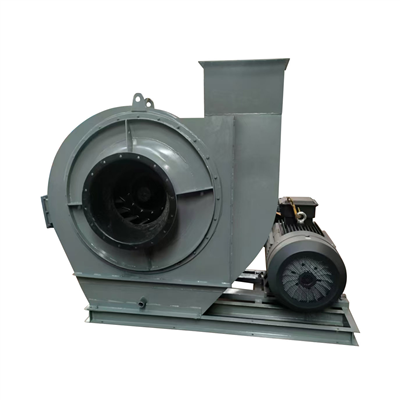
What is the speed control range of a corrosion resistant blower?
As a supplier of Corrosion Resistant Blowers, I often receive inquiries about the speed control range of these essential pieces of equipment. Understanding the speed control range is crucial for optimizing the performance of a corrosion resistant blower in various industrial applications. In this blog, we will delve into the factors that determine the speed control range, its importance, and how it can impact the overall efficiency of your operations.
Factors Determining the Speed Control Range
The speed control range of a corrosion resistant blower is influenced by several key factors. Firstly, the design and construction of the blower play a significant role. Different types of blowers, such as Corrosion Resistant Blower, Rubber-lined Fan, and Titanium Steel Fan, have distinct characteristics that affect their speed capabilities.
For instance, the impeller design is a critical factor. A well-designed impeller can efficiently transfer energy to the air or gas being moved, allowing for a wider speed control range. The material of the impeller also matters. Corrosion-resistant materials like titanium steel or rubber lining are used to ensure the blower can withstand harsh environments, but they may also impact the blower's performance at different speeds.
Another important factor is the motor used in the blower. The motor's power rating and its ability to operate at variable speeds determine the speed control range. High-quality motors with advanced control systems can provide a broader range of speed adjustment, enabling precise control of the blower's output.
The type of application also influences the speed control range. In some industrial processes, such as chemical processing or wastewater treatment, the blower may need to operate at different speeds depending on the specific requirements of the process. For example, during the initial stages of a chemical reaction, a lower speed may be sufficient, while a higher speed may be required to maintain proper ventilation or agitation later in the process.
Importance of the Speed Control Range
The speed control range of a corrosion resistant blower is of utmost importance for several reasons. Firstly, it allows for energy savings. By adjusting the blower's speed to match the actual demand of the process, you can avoid overworking the blower and reduce energy consumption. This not only lowers operating costs but also contributes to a more sustainable operation.
Secondly, precise speed control ensures optimal performance. Different applications require different airflow rates and pressures. By being able to adjust the speed of the blower, you can fine-tune the performance to meet the specific needs of your process, resulting in better product quality and increased efficiency.
In addition, the speed control range can enhance the lifespan of the blower. Running the blower at a constant high speed can put excessive stress on the components, leading to premature wear and tear. By operating the blower at an appropriate speed, you can reduce the strain on the equipment and extend its service life.
Impact on Industrial Applications
In industrial applications, the speed control range of a corrosion resistant blower can have a significant impact on the overall process. In the chemical industry, for example, blowers are used for ventilation, gas transfer, and agitation. By adjusting the speed of the blower, operators can control the flow of chemicals and ensure proper mixing, which is crucial for the quality of the final product.
In the wastewater treatment industry, blowers are used to provide aeration to the treatment tanks. The speed control range allows operators to adjust the airflow rate based on the oxygen demand of the wastewater, ensuring efficient treatment and reducing energy consumption.
In the food and beverage industry, blowers are used for drying, cooling, and ventilation. By controlling the speed of the blower, manufacturers can optimize the drying process, improve product quality, and reduce production time.


How to Determine the Optimal Speed Control Range
Determining the optimal speed control range for your corrosion resistant blower requires a thorough understanding of your specific application. Here are some steps to help you make an informed decision:
- Understand the Process Requirements: Analyze the airflow rate, pressure, and temperature requirements of your process. This will help you determine the minimum and maximum speeds needed for the blower to operate effectively.
- Consider the Blower's Specifications: Review the manufacturer's specifications for the blower, including the speed control range, power rating, and efficiency. Make sure the blower you choose can meet the requirements of your application.
- Consult with an Expert: If you are unsure about the optimal speed control range for your blower, consult with an experienced engineer or blower specialist. They can provide valuable insights and recommendations based on your specific needs.
- Conduct Testing: Once you have selected a blower, conduct testing to determine the optimal speed control range for your application. This may involve adjusting the speed of the blower and monitoring the performance of the process to ensure it meets the desired results.
Conclusion
In conclusion, the speed control range of a corrosion resistant blower is a critical factor that can significantly impact the performance, efficiency, and lifespan of the equipment. By understanding the factors that determine the speed control range, its importance, and how it can impact your industrial applications, you can make informed decisions when selecting and operating a corrosion resistant blower.
If you are in the market for a corrosion resistant blower or have any questions about speed control ranges, please feel free to contact us. Our team of experts is here to help you find the right solution for your specific needs.
References
- Blower Handbook, [Publisher Name], [Year]
- Industrial Ventilation: A Manual of Recommended Practice, [Publisher Name], [Year]
- Corrosion Resistant Materials in Blower Design, [Author Name], [Publication Name], [Year]