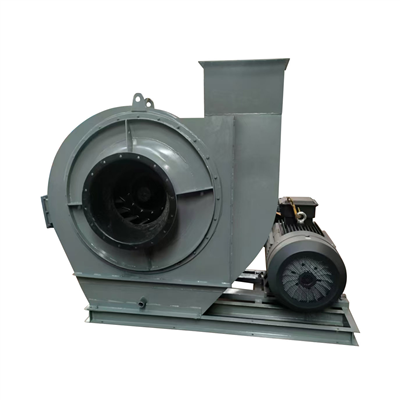
When it comes to the construction of a Mixed - flow High - temperature Fan, the choice of materials is of utmost importance. As a supplier of Mixed - flow High - temperature Fans, I have witnessed firsthand how the right materials can significantly impact the performance, durability, and safety of these fans. In this blog, I will delve into the various materials used in the construction of Mixed - flow High - temperature Fans and explain why they are crucial.
Metals
Metals are the most commonly used materials in the construction of Mixed - flow High - temperature Fans. They offer excellent strength, durability, and heat resistance, making them ideal for withstanding the harsh conditions of high - temperature environments.
Stainless Steel
Stainless steel is a popular choice for Mixed - flow High - temperature Fans due to its high corrosion resistance and strength. It can withstand high temperatures without losing its structural integrity, making it suitable for applications where the fan is exposed to corrosive gases or liquids. Stainless steel also has a smooth surface finish, which reduces friction and improves the efficiency of the fan. For example, in industrial processes where there are chemicals or moisture present, stainless steel fans can ensure long - term operation without rusting or deteriorating.
Carbon Steel
Carbon steel is another widely used metal in fan construction. It is known for its high strength and relatively low cost. Carbon steel fans can handle high - temperature applications, but they may require additional protective coatings to prevent corrosion. In some industrial settings where cost is a major consideration and the environment is not overly corrosive, carbon steel fans are a practical choice. However, in more corrosive environments, the protective coatings need to be regularly maintained to ensure the fan's longevity.
Aluminum
Aluminum is a lightweight metal that offers good thermal conductivity. It is often used in the construction of fan blades and other components where weight reduction is important. Aluminum fans are easier to install and handle compared to heavier metal fans. Additionally, aluminum has a natural oxide layer that provides some protection against corrosion. In applications where the fan needs to be moved frequently or where weight is a critical factor, such as in some portable high - temperature fan systems, aluminum is a great option.
Ceramics
Ceramics are also used in the construction of Mixed - flow High - temperature Fans, especially in components that are directly exposed to high temperatures.
Alumina Ceramics
Alumina ceramics have high melting points and excellent thermal stability. They can withstand extreme temperatures without deforming or losing their mechanical properties. Alumina ceramic components are often used in the impellers or bearings of high - temperature fans. For example, in high - temperature industrial furnaces, alumina ceramic impellers can operate at temperatures up to 1600°C, ensuring reliable performance in the most demanding conditions.
Zirconia Ceramics
Zirconia ceramics offer high strength and toughness, along with good thermal insulation properties. They are used in applications where there is a need to reduce heat transfer and protect other components from high temperatures. Zirconia ceramic coatings can be applied to metal parts to improve their heat resistance and durability. In some high - temperature fan designs, zirconia ceramic bearings are used to reduce friction and wear, enhancing the overall efficiency and lifespan of the fan.
Composites
Composites are materials made by combining two or more different materials to achieve specific properties. They are increasingly being used in the construction of Mixed - flow High - temperature Fans.
Fiberglass Reinforced Plastics (FRP)
FRP is a composite material that consists of glass fibers embedded in a polymer matrix. It offers high strength - to - weight ratio, corrosion resistance, and good thermal insulation. FRP fans are often used in applications where there is a need for a lightweight and corrosion - resistant fan. For example, in the chemical industry, FRP fans can handle corrosive gases and liquids without being damaged. The glass fibers provide strength, while the polymer matrix protects against corrosion.
Carbon Fiber Reinforced Composites
Carbon fiber reinforced composites are known for their high strength, stiffness, and low weight. They are used in high - performance Mixed - flow High - temperature Fans where maximum efficiency and durability are required. Carbon fiber components can withstand high temperatures and high - speed rotations, making them suitable for applications in aerospace and high - tech industries. However, carbon fiber composites are more expensive than other materials, so they are typically used in specialized applications.
Heat - Resistant Polymers
Heat - resistant polymers are used in some components of Mixed - flow High - temperature Fans, especially in areas where there is a need for insulation or sealing.
Polyimide
Polyimide is a high - performance polymer that can withstand high temperatures up to 300°C. It has excellent mechanical properties, chemical resistance, and electrical insulation. Polyimide is often used in gaskets and seals in high - temperature fans to prevent leakage and ensure a tight fit. In some cases, polyimide coatings can be applied to metal parts to improve their heat resistance and reduce friction.
Silicone Rubber
Silicone rubber is a flexible and heat - resistant material that is used in various applications in high - temperature fans. It can withstand temperatures ranging from - 50°C to 300°C and has good sealing properties. Silicone rubber gaskets and seals are commonly used in fan housings and connections to prevent air leakage and protect against dust and moisture.
Importance of Material Selection
The selection of materials for a Mixed - flow High - temperature Fan is crucial for several reasons. Firstly, the materials need to be able to withstand the high temperatures generated during operation. If the materials are not heat - resistant, they may deform, melt, or lose their mechanical properties, leading to fan failure. Secondly, the materials need to be resistant to corrosion, especially in environments where there are corrosive gases or liquids. Corrosion can weaken the fan components and reduce their lifespan. Thirdly, the materials need to be lightweight and have good mechanical properties to ensure the efficient operation of the fan.
Our Product Range
As a supplier of Mixed - flow High - temperature Fans, we offer a wide range of products to meet the diverse needs of our customers. Our Insertion High-pressure High-temperature Fan is designed for applications where high pressure and high temperature are required. It is constructed using high - quality materials such as stainless steel and ceramics to ensure long - term performance. Our Volute High-pressure High-temperature Fan is suitable for industrial processes where there is a need for high - pressure air delivery at high temperatures. It features a volute design that improves the efficiency of the fan. We also offer High Temp Duct Fan for ventilation systems in high - temperature environments. These fans are made with materials that can withstand the heat and provide reliable airflow.


Contact Us for Purchase
If you are in the market for a Mixed - flow High - temperature Fan, we invite you to contact us for a detailed discussion. Our team of experts can help you select the right fan for your specific application based on the materials used, performance requirements, and budget. We are committed to providing high - quality products and excellent customer service. Don't hesitate to reach out to us to start the procurement process.
References
- ASM Handbook, Volume 1: Properties and Selection: Irons, Steels, and High - Performance Alloys. ASM International.
- Engineering Ceramics: Properties, Processing, and Applications. John Wiley & Sons.
- Composite Materials: Design and Applications. CRC Press.