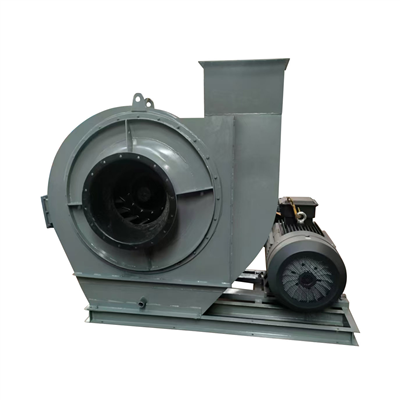
As a supplier of Medium-pressure High-temperature Fans, I often get asked about how often the lubricant of these fans should be replaced. It's a crucial question because proper lubrication is key to keeping the fan running smoothly and extending its lifespan.
Understanding the Role of Lubricant in Medium-pressure High-temperature Fans
First off, let's talk about why lubricant is so important. In a medium-pressure high-temperature fan, there are a lot of moving parts. The bearings, in particular, are constantly in motion, and friction is generated between them. Lubricant acts as a buffer, reducing this friction and preventing excessive wear and tear. It also helps to dissipate heat, which is especially important in high-temperature environments. Without proper lubrication, the fan's performance can degrade quickly, leading to increased energy consumption, more frequent breakdowns, and ultimately, a shorter lifespan.
Factors Affecting Lubricant Replacement Frequency
The frequency of lubricant replacement isn't a one-size-fits-all answer. There are several factors that can influence how often you need to change the lubricant in your medium-pressure high-temperature fan.
Operating Temperature
One of the most significant factors is the operating temperature. High temperatures can cause the lubricant to break down more quickly. As the temperature rises, the lubricant's viscosity can change, reducing its effectiveness. In extreme cases, it can even start to evaporate or form sludge. If your fan is operating in a very high-temperature environment, you'll likely need to replace the lubricant more often. For example, if the fan is used in a furnace or a kiln, where temperatures can reach several hundred degrees Celsius, the lubricant may need to be changed every few months.
Operating Hours
The number of operating hours also plays a big role. The more the fan runs, the more stress is placed on the lubricant. If your fan is running 24/7, the lubricant will wear out faster than if it's only used occasionally. As a general rule, you should consider replacing the lubricant after a certain number of operating hours. This number can vary depending on the specific fan and the type of lubricant used, but it's typically in the range of 2,000 to 5,000 hours.


Dust and Contamination
The environment in which the fan operates can also affect the lubricant. If the fan is in a dusty or dirty environment, dust and other contaminants can get into the lubricant, causing it to become less effective. This can lead to increased friction and wear on the fan's components. In such cases, it's important to change the lubricant more frequently to prevent damage to the fan.
Recommended Lubricant Replacement Intervals
Based on the factors mentioned above, here are some general guidelines for lubricant replacement intervals for medium-pressure high-temperature fans:
- Low-usage fans: If your fan is used only occasionally, say a few hours a week, you may be able to get away with changing the lubricant once a year.
- Moderate-usage fans: For fans that operate for several hours a day, around 8 to 12 hours, the lubricant should be replaced every 6 to 12 months.
- High-usage fans: If your fan is running 24/7, you'll likely need to change the lubricant every 3 to 6 months.
However, these are just rough estimates. It's always a good idea to refer to the manufacturer's recommendations for your specific fan model. The manufacturer will have the most accurate information based on the fan's design and specifications.
Types of Lubricants for Medium-pressure High-temperature Fans
There are different types of lubricants available for medium-pressure high-temperature fans, and the type you choose can also affect the replacement frequency.
- Synthetic lubricants: These are designed to perform well in high-temperature environments. They have better thermal stability and can withstand higher temperatures without breaking down. Synthetic lubricants typically last longer than conventional lubricants, so you may be able to extend the replacement interval.
- Mineral-based lubricants: These are more common and less expensive. However, they may not perform as well in high-temperature conditions and may need to be replaced more frequently.
Importance of Regular Maintenance
In addition to replacing the lubricant at the appropriate intervals, regular maintenance is also crucial for the proper functioning of your medium-pressure high-temperature fan. This includes checking the fan for any signs of wear or damage, cleaning the fan regularly to remove dust and debris, and ensuring that all the components are properly tightened.
Regular maintenance can help you detect any potential problems early on and prevent them from turning into major issues. It can also help to extend the lifespan of your fan and improve its performance.
Conclusion
So, how often should the lubricant of a medium-pressure high-temperature fan be replaced? It depends on several factors, including the operating temperature, operating hours, and the environment in which the fan operates. By following the general guidelines mentioned above and referring to the manufacturer's recommendations, you can ensure that your fan is properly lubricated and running smoothly.
If you're in the market for a medium-pressure high-temperature fan, we're here to help. We offer a wide range of high-quality fans, including Axial Flow High Temperature Fan, Medium-pressure High-temperature Fan, and Centrifugal High Temperature Fan. Our fans are designed to meet the highest standards of performance and reliability. If you have any questions or would like to discuss your specific requirements, please don't hesitate to contact us for a purchase negotiation.
References
- Manufacturer's manuals for medium-pressure high-temperature fans
- Industry standards and best practices for fan maintenance