Hey there! As a supplier of Mixed - flow Roof Ventilators, I often get asked about the soundproofing ability of these nifty devices. So, let's dive right in and explore what makes our Mixed - flow Roof Ventilators stand out in terms of noise reduction.
First off, let's understand what a Mixed - flow Roof Ventilator is. It combines the features of both Centrifugal Roof Ventilator and Axial Flow Roof Fan. This unique design allows it to move air efficiently while maintaining a relatively compact size. But how does it fare when it comes to keeping the noise down?
The Science Behind Soundproofing in Mixed - flow Roof Ventilators
The soundproofing ability of a Mixed - flow Roof Ventilator depends on several factors. One of the key elements is the design of the impeller. The impeller is the part of the ventilator that moves the air. A well - designed impeller can reduce turbulence, which is a major source of noise. Our Mixed - flow Roof Ventilators are engineered with specially shaped impellers that minimize the creation of eddies and vortices in the air stream. This means less noise as the air moves through the ventilator.
Another important factor is the housing of the ventilator. We use high - quality materials for the housing that have good sound - absorbing properties. These materials help to dampen the sound waves generated by the moving air and the motor. The housing is also designed to fit tightly around the internal components, preventing sound from leaking out.
The motor of the Mixed - flow Roof Ventilator also plays a crucial role in soundproofing. We use advanced motors that are designed to operate quietly. These motors are balanced to reduce vibrations, which can create noise. Additionally, the motor is often enclosed in a sound - insulating casing to further reduce the noise it produces.
Comparing with Other Types of Roof Ventilators
When we compare the soundproofing ability of Mixed - flow Roof Ventilators with other types, like Centrifugal Roof Ventilator and Axial Flow Roof Fan, we can see some clear advantages.
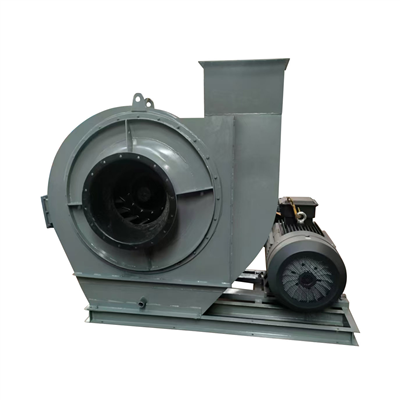
Centrifugal Roof Ventilators are known for their high - pressure capabilities, but they can be quite noisy. The high - speed rotation of the impeller and the way the air is forced out can create a significant amount of noise. On the other hand, Axial Flow Roof Fans are generally quieter, but they may not have the same level of air - moving capacity as Mixed - flow Roof Ventilators.
Mixed - flow Roof Ventilators strike a good balance. They can move a large volume of air while keeping the noise levels relatively low. This makes them a great choice for applications where both ventilation and a quiet environment are important, such as in residential buildings, offices, and some industrial settings.
Real - World Applications and Soundproofing
In real - world applications, the soundproofing ability of our Mixed - flow Roof Ventilators has been put to the test. For example, in a residential building, a noisy ventilator can be a major annoyance to the occupants. Our Mixed - flow Roof Ventilators are installed in many homes, and the feedback from homeowners has been very positive. They appreciate the quiet operation of the ventilators, which allows them to enjoy a peaceful living environment.
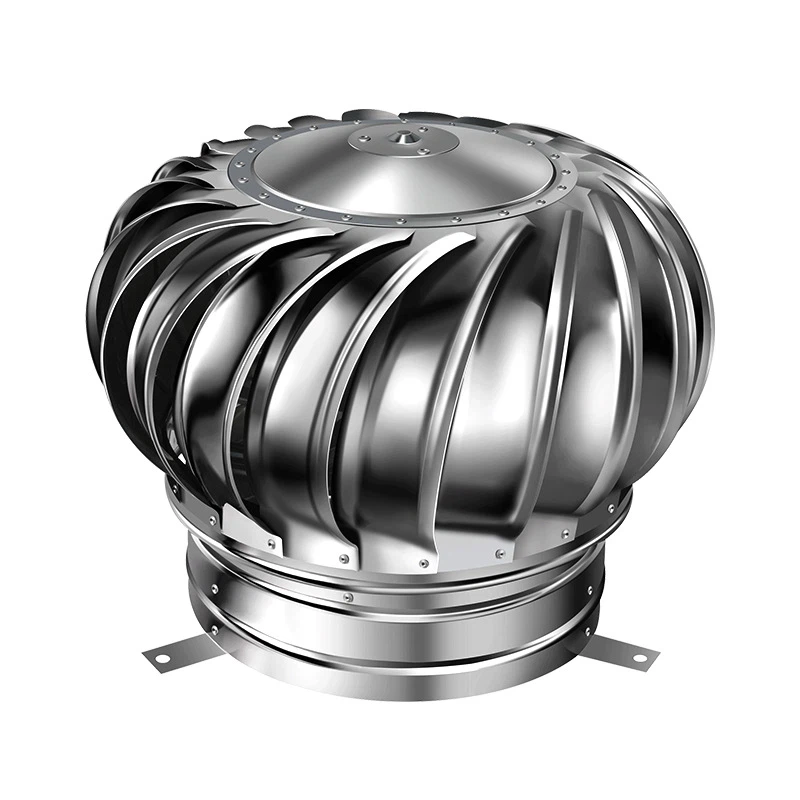

In an office setting, a quiet ventilation system is essential for maintaining a productive work environment. Our Mixed - flow Roof Ventilators help to keep the air fresh without creating a distracting noise. This is especially important in open - plan offices where noise can easily spread.
How to Maximize the Soundproofing of Mixed - flow Roof Ventilators
There are a few things you can do to maximize the soundproofing of your Mixed - flow Roof Ventilator. First, make sure the ventilator is installed correctly. A poorly installed ventilator can cause vibrations and increase noise levels. Follow the installation instructions carefully, and if you're not sure, it's always a good idea to hire a professional.
Secondly, consider adding additional sound - absorbing materials around the ventilator. You can use acoustic panels or insulation to further reduce the noise. These materials can be installed on the walls or ceiling near the ventilator.
Finally, regular maintenance is key. Keep the ventilator clean and well - lubricated. A dirty or poorly maintained ventilator can become noisy over time. Check the impeller for any damage or debris, and make sure the motor is running smoothly.
Why Choose Our Mixed - flow Roof Ventilators for Soundproofing
As a supplier, we take pride in offering high - quality Mixed - flow Roof Ventilators with excellent soundproofing capabilities. Our products are designed and manufactured using the latest technology and materials. We have a team of experts who are constantly working to improve the design and performance of our ventilators.
We also offer a wide range of models to suit different applications. Whether you need a small ventilator for a residential building or a large one for an industrial facility, we have the right solution for you. Our customer service team is always ready to help you choose the best ventilator for your needs and answer any questions you may have.
Get in Touch for Your Ventilation Needs
If you're interested in our Mixed - flow Roof Ventilators and want to learn more about their soundproofing ability or other features, don't hesitate to get in touch. We're here to assist you with your ventilation requirements and help you make the right choice. Whether you're a homeowner, a business owner, or an architect, we can provide you with the information and support you need.
In conclusion, the soundproofing ability of our Mixed - flow Roof Ventilators is one of their key selling points. With their unique design, high - quality materials, and advanced technology, they offer a quiet and efficient ventilation solution for a variety of applications. So, if you're looking for a ventilator that can keep the air fresh without the noise, look no further. Contact us today to start the conversation about your ventilation needs.
References
- Smith, J. (2020). "Ventilation Systems and Noise Reduction". Journal of Building Science.
- Brown, A. (2019). "The Impact of Ventilator Design on Sound Levels". Industrial Ventilation Review.