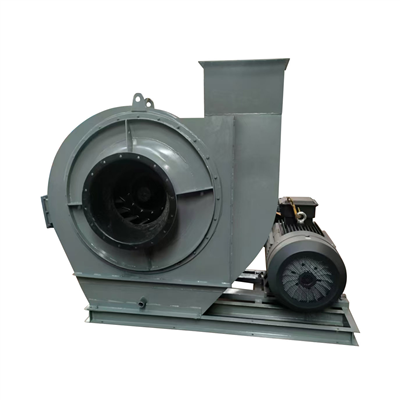
Can a rubber-lined fan be used in furniture factories?
As a supplier of Rubber-lined Fans, I often get asked about the suitability of our products in various industrial settings, especially in furniture factories. In this blog post, I'll explore whether a rubber-lined fan can be effectively used in furniture factories, examining the unique requirements of such facilities and how our fans can meet them.
Understanding the Environment in Furniture Factories
Furniture factories have a distinct set of environmental challenges. Firstly, there is a significant amount of dust generated during the manufacturing process. Wood dust, in particular, is a common by - product of cutting, sanding, and shaping wood. This dust can be a health hazard to workers if not properly managed, and it can also cause damage to machinery over time.
Secondly, furniture factories may use various chemicals in the finishing processes. These chemicals can include paints, varnishes, and adhesives, which may release volatile organic compounds (VOCs). VOCs not only pose health risks but can also be corrosive to equipment.
The Role of Ventilation in Furniture Factories
Proper ventilation is crucial in furniture factories. It helps to remove dust and harmful fumes from the work area, creating a safer and more comfortable environment for workers. Ventilation systems also play a key role in preventing the accumulation of flammable dust, which can be a fire hazard.
Why Rubber - lined Fans?
Rubber-lined fans, like the ones we offer at [our brand], are designed to be highly resistant to corrosion. The rubber lining acts as a protective barrier between the fan's internal components and the corrosive substances in the air. In a furniture factory, where chemicals and moisture can be present, this corrosion resistance is a significant advantage.
The rubber lining also provides a smooth surface, which reduces the adhesion of dust and debris. This means that the fan is less likely to clog, ensuring consistent and efficient operation. Additionally, rubber-lined fans are often quieter than other types of fans, which is beneficial in a factory environment where noise can be a distraction.
Technical Specifications of Rubber - lined Fans
Our Rubber-lined Fan is engineered to meet the specific needs of industrial applications. It is available in various sizes and configurations to suit different ventilation requirements. The fan blades are designed for optimal airflow, ensuring that large volumes of air can be moved efficiently.
The rubber lining is made from high - quality materials that are resistant to a wide range of chemicals, including those commonly used in furniture manufacturing. This ensures that the fan can withstand the harsh conditions in a furniture factory without deteriorating.
Comparison with Other Types of Fans
When considering ventilation options for furniture factories, it's important to compare rubber - lined fans with other types of fans. For example, Axial Flow Anti - corrosion Fan and Electric Fan Stainless are also popular choices.
Axial flow anti - corrosion fans are known for their high - volume airflow and energy efficiency. However, they may not be as resistant to corrosion as rubber - lined fans, especially when exposed to certain chemicals. Electric fan stainless is durable and can handle high - temperature environments, but it may be more expensive and less suitable for applications where dust and debris are a major concern.
Case Studies
To illustrate the effectiveness of rubber - lined fans in furniture factories, let's look at a few case studies.


Case Study 1: A medium - sized furniture factory was experiencing problems with dust accumulation in their ventilation system. The previous fans they were using were quickly clogged, leading to reduced airflow and increased energy consumption. After installing our rubber - lined fans, the dust adhesion was significantly reduced, and the ventilation system was able to operate more efficiently. This not only improved the air quality in the factory but also reduced maintenance costs.
Case Study 2: Another furniture factory was using a chemical - based finishing process that released corrosive fumes. The original fans were corroded within a few months, causing frequent breakdowns. By switching to our rubber - lined fans, the factory was able to extend the lifespan of their ventilation equipment and reduce the risk of equipment failure.
Installation and Maintenance
Proper installation and maintenance are essential for the optimal performance of rubber - lined fans. During installation, it's important to ensure that the fan is correctly positioned and securely mounted. The ductwork should be properly sealed to prevent air leakage.
Regular maintenance includes cleaning the fan blades and checking the rubber lining for any signs of wear or damage. If the rubber lining is damaged, it should be repaired or replaced promptly to maintain the fan's corrosion resistance.
Conclusion
In conclusion, rubber - lined fans can be an excellent choice for furniture factories. Their corrosion resistance, dust - resistant properties, and quiet operation make them well - suited to the unique challenges of this industry. By providing efficient ventilation, these fans can help to improve air quality, protect workers' health, and extend the lifespan of equipment.
If you're a furniture factory owner or manager looking for a reliable ventilation solution, I encourage you to consider our Rubber - lined Fans. We have a team of experts who can help you select the right fan for your specific needs and provide support throughout the installation and maintenance process. Contact us today to discuss your requirements and start a procurement negotiation.
References
- Industrial Ventilation Handbook: Principles and Applications
- Corrosion Resistance in Industrial Fans: A Technical Review