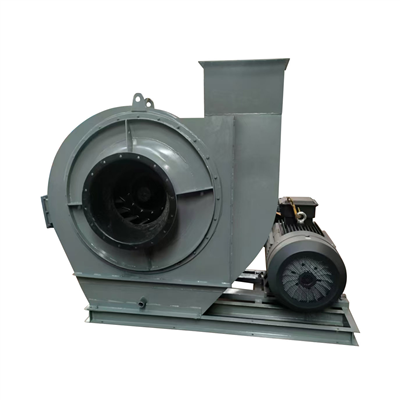
Designing an explosion-proof centrifugal fan system for a large-scale industrial area is a complex yet crucial task. As a supplier of Explosion Proof Centrifugal Fan, I have witnessed firsthand the importance of a well-designed system in ensuring the safety and efficiency of industrial operations. In this blog, I will share some key considerations and steps in designing such a system.
Understanding the Hazardous Environment
The first step in designing an explosion-proof centrifugal fan system is to understand the hazardous environment in the large-scale industrial area. Different industries have different types of flammable gases, vapors, or dusts. For example, the chemical industry may deal with volatile organic compounds (VOCs), while the mining industry may have coal dust. Each type of hazard has its own characteristics, such as flammability limits, ignition temperatures, and explosion pressures.
It is essential to conduct a thorough risk assessment of the industrial area. This includes identifying the potential sources of ignition, the concentration levels of flammable substances, and the ventilation requirements. By understanding these factors, we can determine the appropriate explosion protection level for the fan system.
Selecting the Right Fan Type
There are several types of explosion-proof fans available, including Explosion Proof Axial Flow Fan, Explosion Proof Centrifugal Fan, and Mixed-flow Explosion-proof Fan. Each type has its own advantages and is suitable for different applications.
Centrifugal fans are often preferred for large-scale industrial areas because they can generate high pressure and are capable of moving large volumes of air. They work by using a rotating impeller to accelerate the air and then direct it out through a volute casing. This design allows for better control of the air flow and pressure, making them ideal for applications where a high-pressure air supply is required.
Meeting Explosion Protection Standards
Explosion-proof centrifugal fans must meet strict safety standards to ensure their reliability in hazardous environments. In many countries, there are specific regulations and standards that govern the design, manufacture, and installation of explosion-proof equipment. For example, in the United States, the National Electrical Code (NEC) and the Occupational Safety and Health Administration (OSHA) have established guidelines for explosion-proof electrical equipment.
The fan system should be designed and tested to meet these standards. This includes using explosion-proof motors, enclosures, and wiring. The fan should also be certified by a recognized testing laboratory to ensure its compliance with the relevant standards.
Designing the Fan System
Once the fan type and explosion protection level have been determined, the next step is to design the fan system. This involves several aspects, including the fan size, the ductwork design, and the control system.
The fan size is determined by the required air volume and pressure. The air volume is calculated based on the size of the industrial area, the number of workers, and the type of processes being carried out. The pressure requirements depend on the resistance of the ductwork and the equipment being ventilated.
The ductwork design is also crucial for the efficient operation of the fan system. The ducts should be sized correctly to ensure smooth air flow and minimize pressure losses. They should also be made of materials that are resistant to corrosion and fire.


The control system is used to regulate the operation of the fan. It can be programmed to adjust the fan speed based on the air quality, temperature, and pressure. This helps to ensure that the fan system operates efficiently and effectively.
Installation and Maintenance
Proper installation and maintenance are essential for the long-term performance of the explosion-proof centrifugal fan system. The fan should be installed by qualified technicians who are familiar with the installation requirements and safety procedures.
During the installation process, it is important to ensure that the fan is properly aligned and secured. The ductwork should be connected tightly to prevent air leakage. The electrical connections should also be made correctly to avoid any potential safety hazards.
Regular maintenance is also necessary to keep the fan system in good working condition. This includes cleaning the fan blades, checking the motor and bearings, and inspecting the ductwork for any signs of damage or blockage. By performing regular maintenance, we can extend the lifespan of the fan system and reduce the risk of breakdowns.
Cost Considerations
Designing an explosion-proof centrifugal fan system for a large-scale industrial area can be a significant investment. The cost of the fan system includes the cost of the fan, the ductwork, the control system, and the installation. It is important to consider the long-term cost of the system, including the energy consumption and maintenance costs.
When selecting a fan system, it is important to choose a high-quality product that is reliable and energy-efficient. A well-designed fan system can help to reduce energy consumption and operating costs in the long run.
Conclusion
Designing an explosion-proof centrifugal fan system for a large-scale industrial area requires careful planning and consideration. By understanding the hazardous environment, selecting the right fan type, meeting explosion protection standards, designing the system properly, and ensuring proper installation and maintenance, we can create a safe and efficient ventilation system.
If you are in need of an explosion-proof centrifugal fan system for your large-scale industrial area, please feel free to contact us for more information. Our team of experts can provide you with professional advice and solutions tailored to your specific needs.
References
- National Fire Protection Association (NFPA). (2018). NFPA 70: National Electrical Code.
- Occupational Safety and Health Administration (OSHA). (2019). 29 CFR 1910.106: Flammable and Combustible Liquids.
- International Electrotechnical Commission (IEC). (2014). IEC 60079-0: Explosive atmospheres - Part 0: General requirements.